I have a gift for losing things.
I think I was born with it.
(I probably lost the placenta in utero until I realized we were attached.)
(Okay . . . just kidding, I’m not that bad.)
But I have had issues with forgetting or misplacing items through the years, and I’ve had to work a lot on it as adult.
Now that I’m a mom with three kids, my memory is (frankly) worse than ever, but I don’t lose things like I once did.
Why? Well, I’ve figured out how to organize myself to keep me from losing things.
And while I’m still not perfect, I’m doing pretty well.
So, let me share what I’ve learned.
I might not change your life all at once. . . But I do believe these ideas will help you enormously with your “wandering item syndrome.”
Play the floor is lava with your stuff
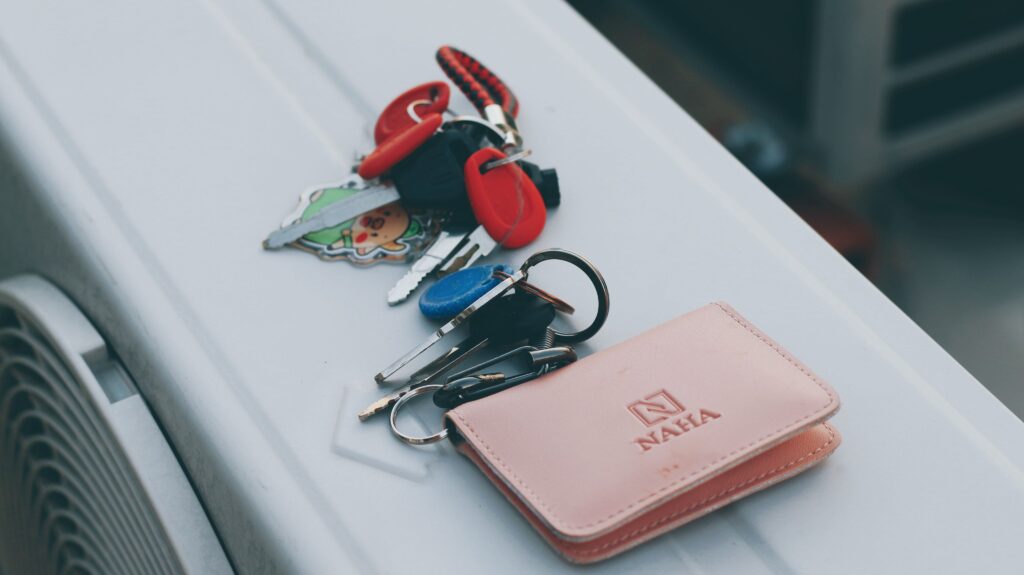
I learned this trick from Cas at Clutterbug.
Basically, no small objects in your house should ever touch the ground.
Now don’t run away because I know that sounds crazy.
Just hear me out here.
What this rule does is it forces you to contain items that would otherwise get scattered to kingdom come.
Use things like trays and bins to contain remotes, hair ties, mail, and more.
I haven’t completely implemented this in my house yet, but I am so excited to! (We’re in the midst of some life transitions, so I can’t for another few months.)
But when things are contained, it’s way easier to find items because 1) they have to be in one of the trays or bins) and 2) visual clutter is reduced, so items are easier to spot in general.
Use clear containers
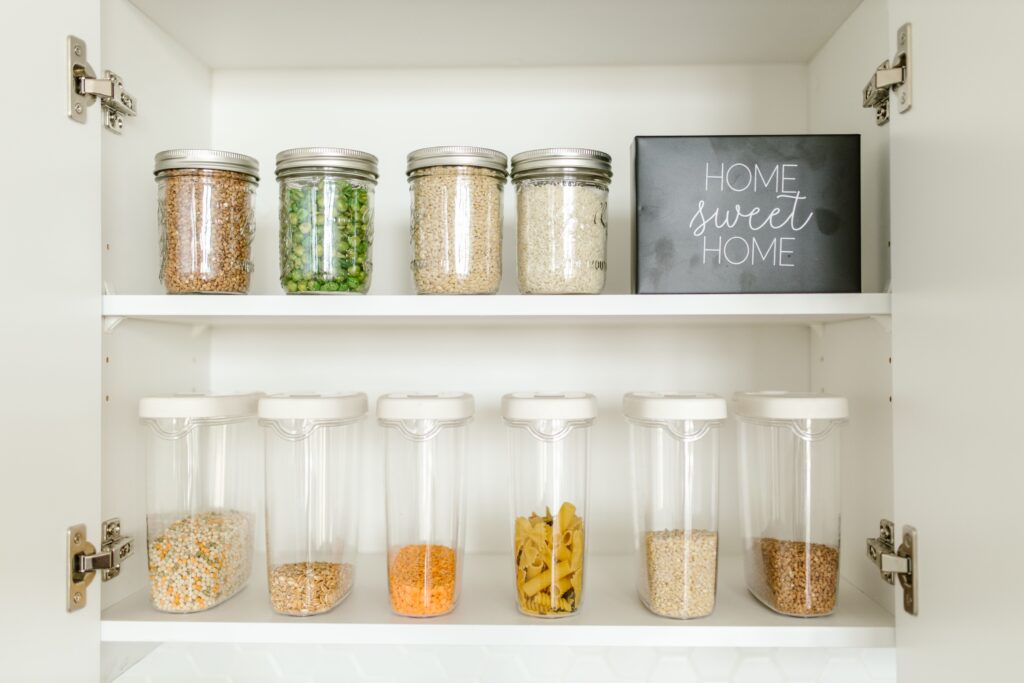
Cas from Clutterbug (Yes, I know I’m talking about her again) talks a lot about how people who lose items a lot (or scatter them around), tend to flourish when they have containers that let them see their possessions.
It’s kind-of an out-of-sight, out-of-mind thing.
Once something goes in a drawer . . . it ceases to exist until we open that drawer again.
So, we leave things out because we don’t want to forget about them.
But having clear containers (Or labels—I have a point about that below) ensures that we can still see our possessions.
So, we no longer have to live with them scattered about us like the tornado from Wizard of Oz came through.
If I were getting clear bins for my home today, I’d check out the dollar store and look at containers like the ones up above.
Try magnetic strips
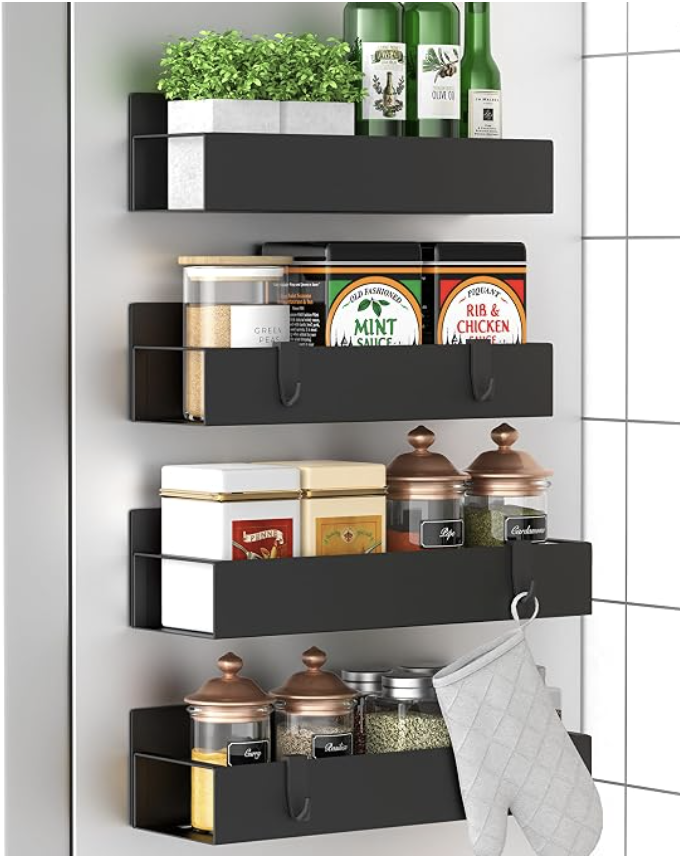
Okay, I really want to try one of these strips. They are SO cool.
Strips like this would perfect for hair stuff (you’d need smaller ones), tools, or even kitchen supplies.
They’re open storage, so they ensure that items are easy to put back and also easy to see. That helps a tone with reducing your “Lost on the job” count.
Store things by where you use them
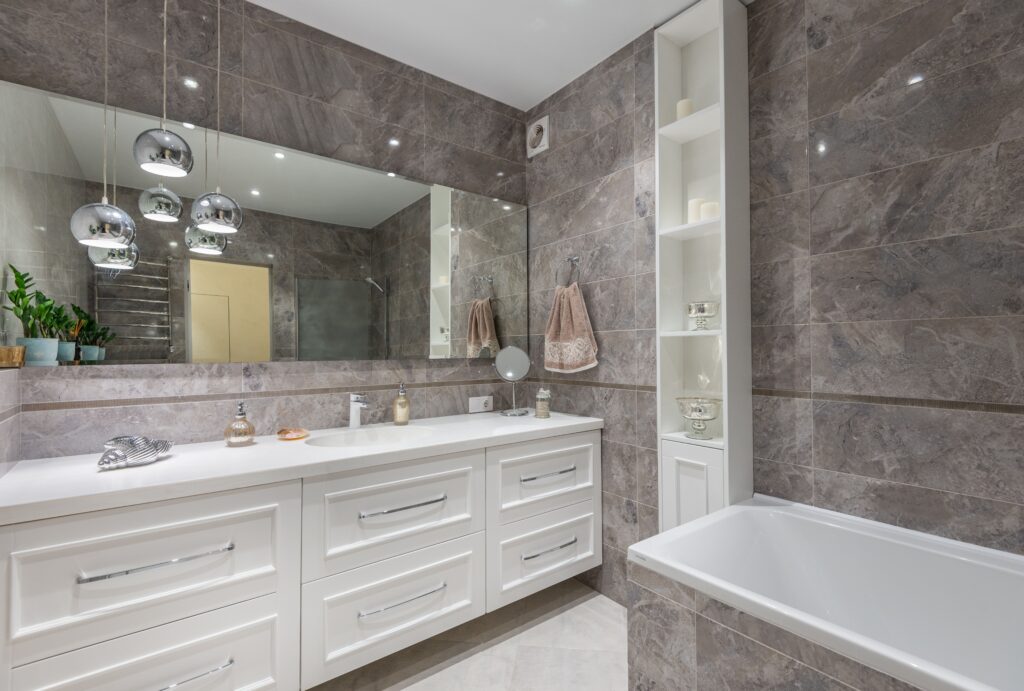
This sounds obvious.
Only it’s not.
Because a lot of us like to store things where we think they “should” go . . . instead of where we would actually use them
For example, you might think you need to keep your hairbrush in the bathroom because that’s where brushes “go.”
But if you always brush your hair in your room in the morning, your brush probably needs a home in the bedroom.
Storing things by where you use them ensures that items are accessible AND easy to put away when you get them out.
Check out wall hooks
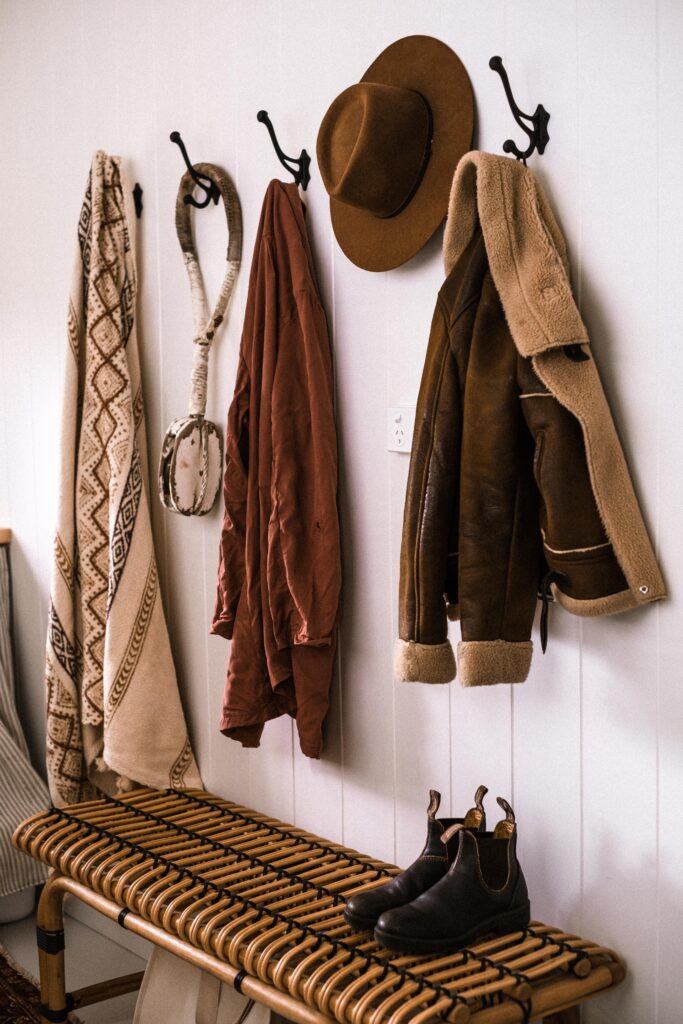
Hooks are huge for people who lose stuff, because they make items easy to find AND put away.
(I’m going to say that a ton in this article).
While writing this post, I found these genius adhesive wall hooks (I think they’d be great for hats or cleaning items).
The only downside to them is that they can damage paint on removal, so keep that in mind.
Walls can always be repainted, though, and it could totally be worth it for better organization.
Have a key tray
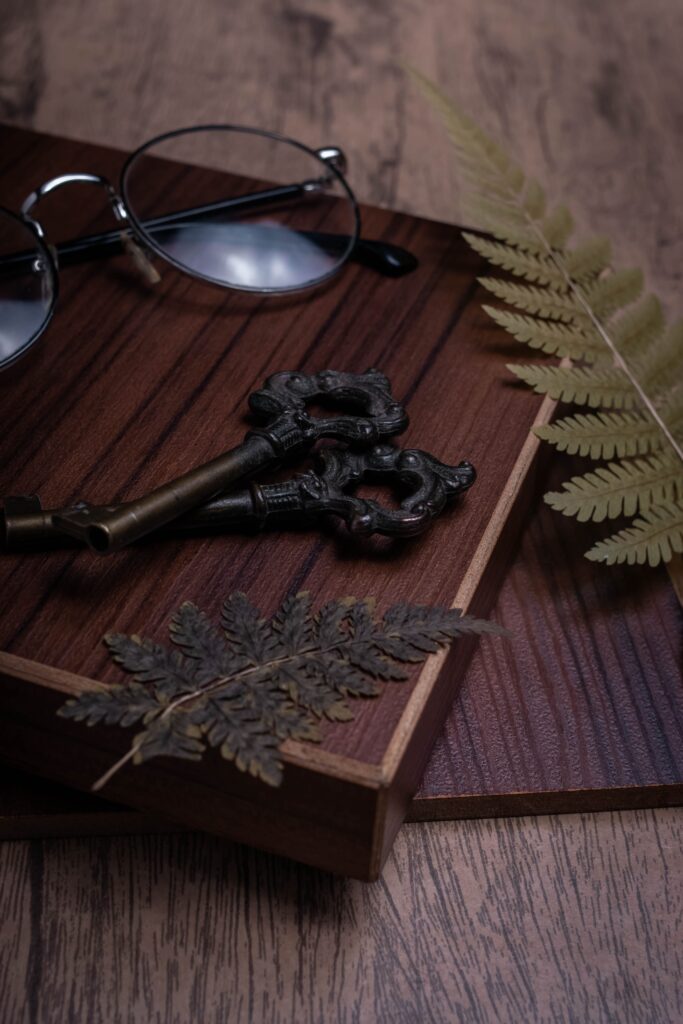
My husband and I used to lose our keys all the time.
It was annoying, but we didn’t really do anything about it.
That is, we didn’t do anything about it until our electronic car key (which turned out to be disgustingly expensive to replace) went through the wash.
I shall not name whose pocket it was in . . . I’ll just say that we both knew it was time to change.
So, we tried a key tray. (Though ours was a bit different than this one. We got it somewhere random.)
I’m not really sure why that’s what we picked, but I was reading several organizing books at the time, so it was probably a concept from one of those.
The happy news, however, is that it worked!
Our little wooden tray became where we dumped random thingamabobs from our pockets (wallets, keys, and various plumbing parts etc.), and it saved our hides.
Interestingly enough, the top of our dresser also stayed cleaner.
(And this experience is why I want to implement the ground is lava rule from above throughout my whole house.)
Oh, and if you like this tray for keys, try having a ring tray!
Use containers without lids (but read the fine print here)
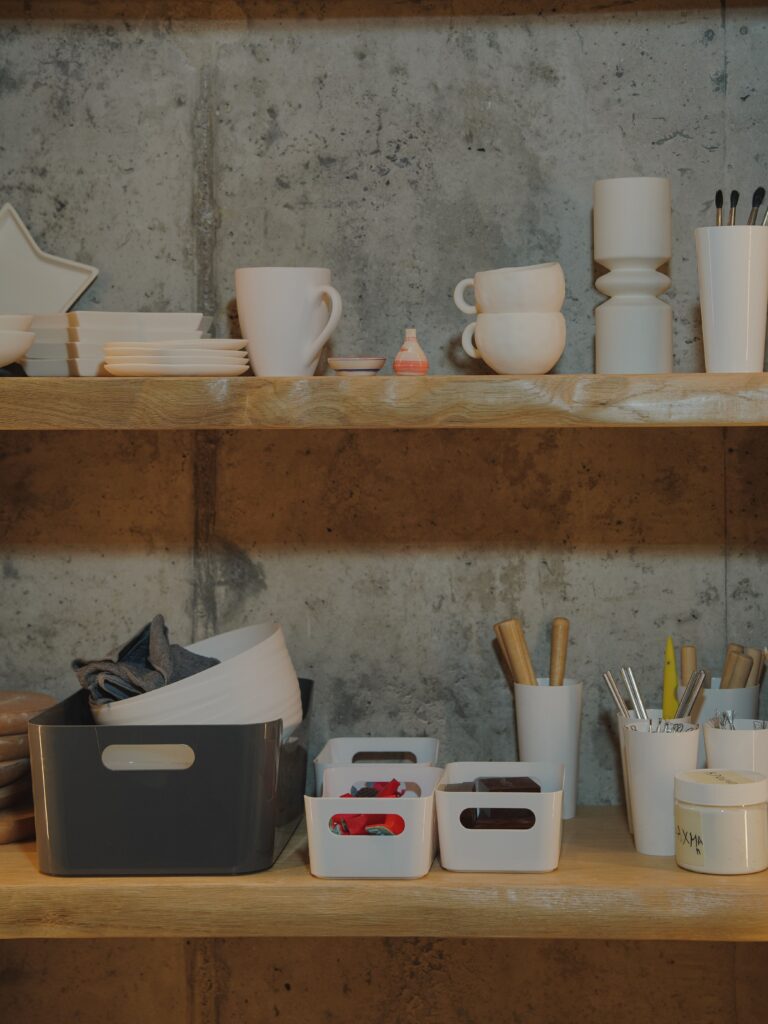
This might sound like a strange tip, but it’s one that changed my life.
Growing up, we used lidded bins for storing things.
All our toy bins had lids, all our games went in lidded bins, any containers we used for anything . . . had lids.
And I struggled to put things away. My. Whole. Life.
It wasn’t until I was an adult that I realized lids were just not my kind of organizational jam.
And . . . that’s okay.
I do still use lids for some things. For example, bins that’ll be in storage long-term keep their lids. And food items don’t lose their tops. (They’ve gotta stay fresh!)
But besides those exceptions, I keep most of my storage open.
And that’s because lids are an extra step that my squirrel brain doesn’t want to deal with.
I put stuff away better without lids. And subsequently, I know where more stuff is. And, my home stays cleaner.
It’s wins all around.
So . . . try it out if you have a lot of lids in your house and people struggle to put stuff away!
Use back-of-the-door hooks and caddies
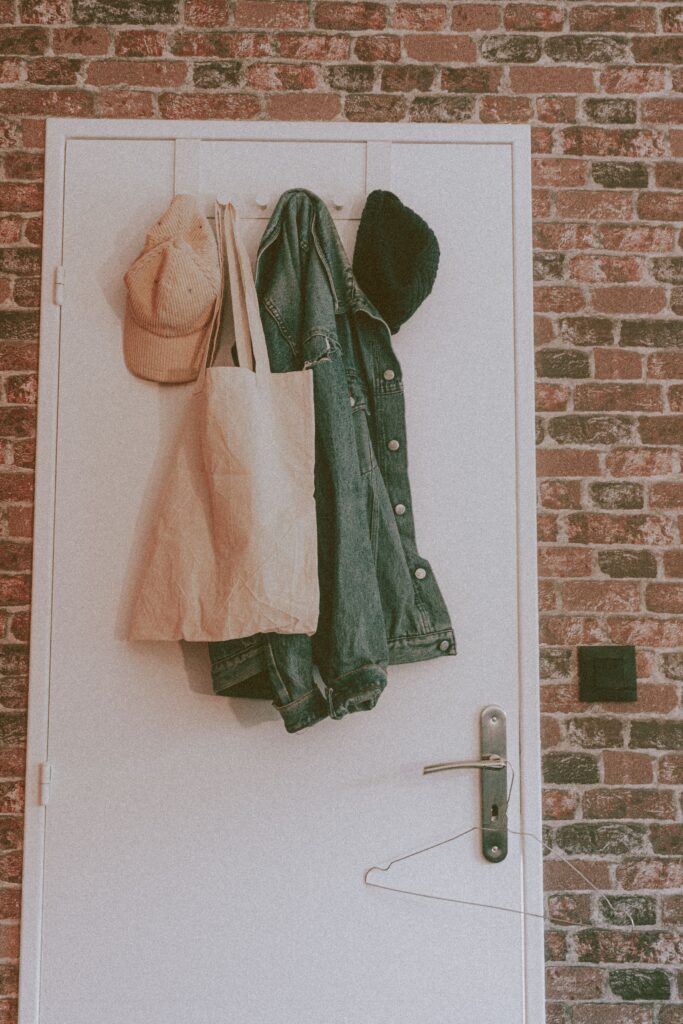
This is a ridiculously simple hack for making frequently lost items easy to put away. (Because if they’re easy to put away, you’ll just do that instead of losing them!).
You want hooks or bins to go in a spot you will frequently see (e.g. a bathroom door—because you see it closed all the time—or a pantry door that opens outward, so you see the back a lot).
The reason I recommend putting over-the-door storage where you’ll see it is because many of us forgetful people tend toward out-of-sight, out-of-mind.
If you aren’t going to be using an item much and you want to store it in a less-seen location, that’s totally okay.
But, otherwise, opt for a spot you’ll visually access a lot so that you remember the items are there.
Give everything a home (Please don’t be mad I included this)
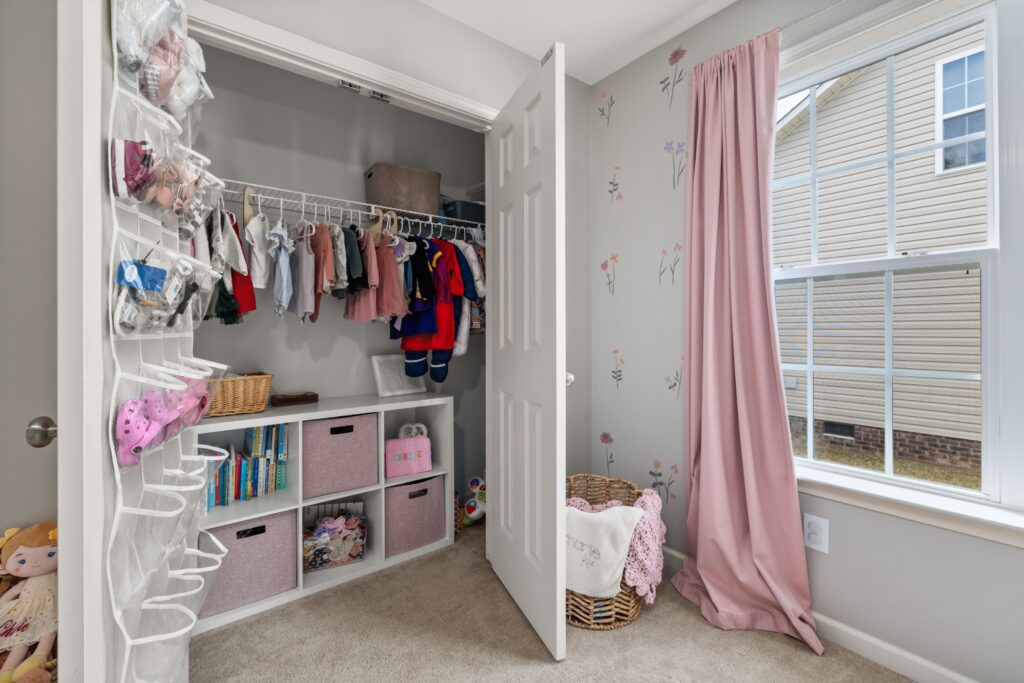
This is basically the #1 piece of organizing advice everyone gives. You may be tired of hearing it.
And frankly, I was too.
In fact, as a kid I imagined this tip as someone drawing a chalk outline around each and every one of their possessions.
(So, if they removed anything it would look like a Brave Little Toaster murder scene. Yeek.)
As an adult, though, I’ve realized that giving everything a home doesn’t mean micro-organizing (which can be a disaster for those of us with messy brains).
Giving things a home is as simple as putting similar items in bins—like having a box for all your hair stuff.
The key is to know where to put stuff when you’re not using it, and where to look for it when you need it (so it’s not lost).
A lot of my other points give ideas for how to effectively give items homes, so think about that as you read.
Use magnetic hooks for your fridge
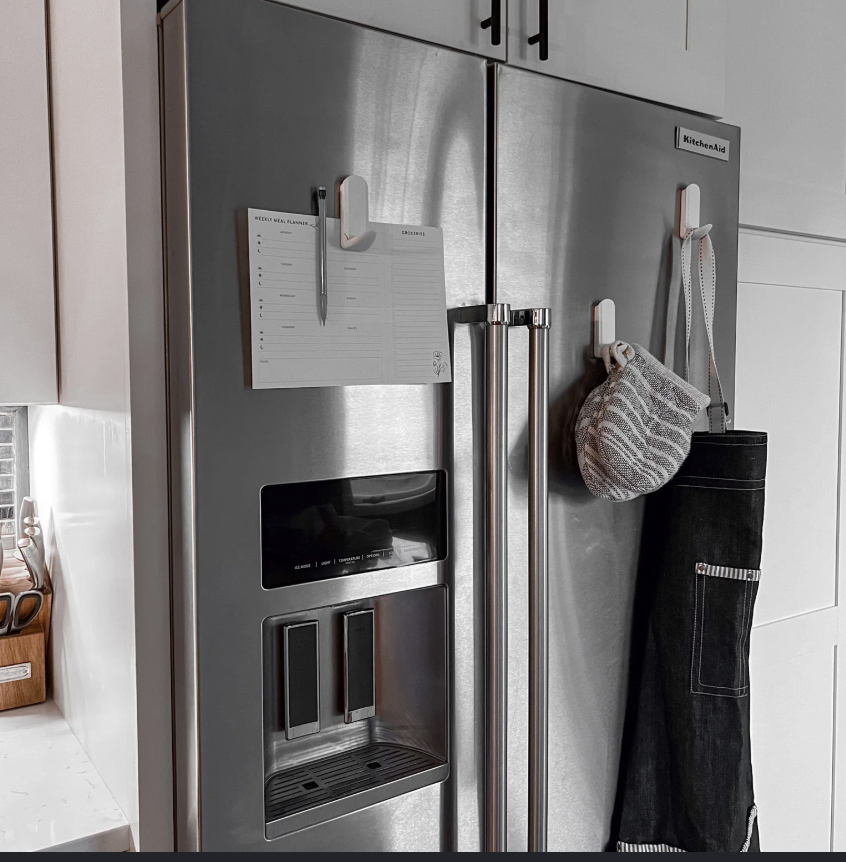
I’m kind-of in love with magnets for organizing, and it’s probably not that good for my minimalistic ideals.
(I don’t really have anything to organize with these . . . I just think they’re really cool. Lol. Look at all the colors!!)
However, if you need a way to organize things like keys, aprons, work lanyards, or even utensils in the kitchen, these magnetic hooks are a great option.
And, they’re renter friendly. They’re not going to leave holes or marks on the wall—they’re just sticking to something that’s already there.
Also, because they’re a super visual, accessible organizing method, they’ll make stuff easy to find and easy to put back.
Have an “action items” folder
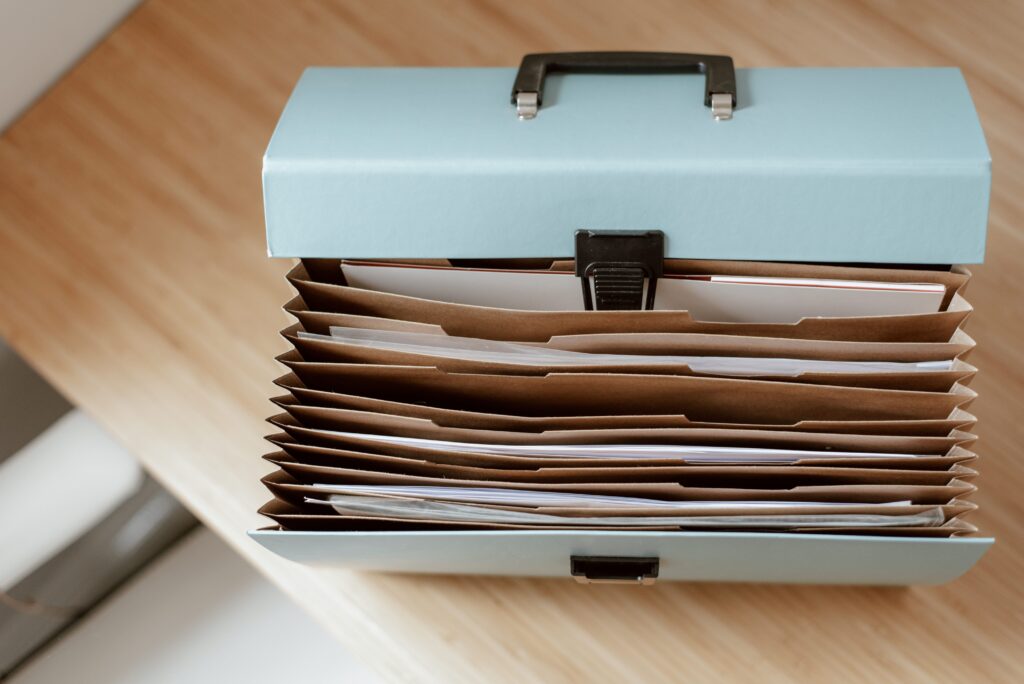
I originally learned this from the organization Learn Do Become.
They have a class which I did (partway) about organizing your life, and one thing they suggest is to have an action folder.
Basically, this is a folder or container with all the items (mail, homework slips, forms, etc.) that you need to take action on.
It keeps all your “action items” in one place, and it makes it easy for you to just come along and get through a couple things on your to-do list.
(Be sure and set alarms or calendar reminders for time-sensitive items though—that way you don’t forget about them in the folder.)
Make things easy to put away
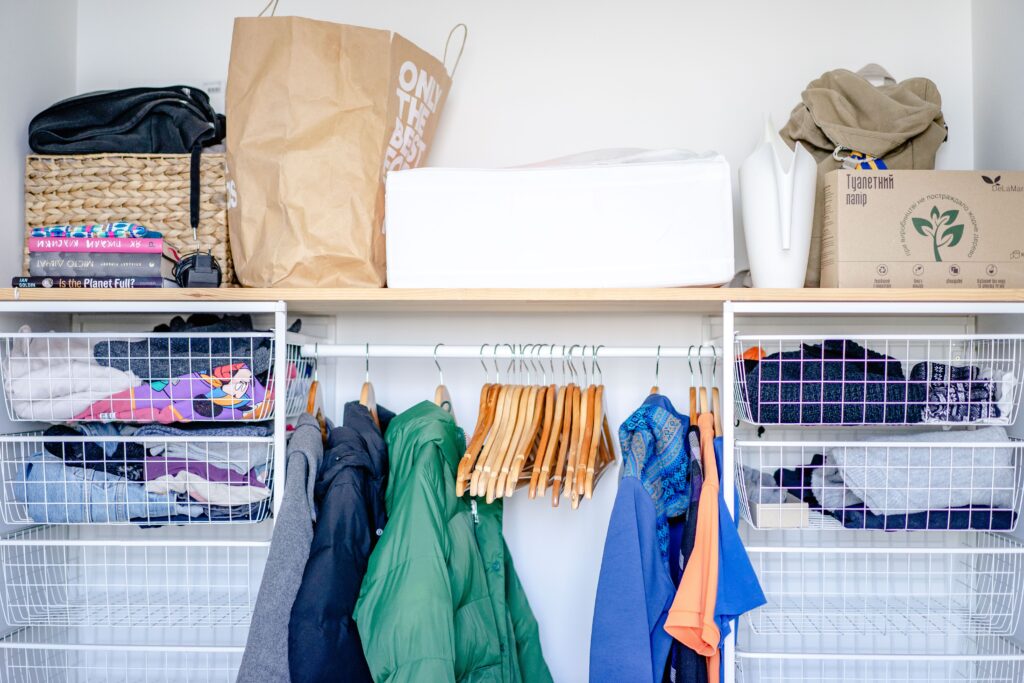
I’ve touched on this about 70.5 billion times by now . . . but it also has to have its own point.
It’s THAT important!
You see, I spent YEARS of my silly adult life trying to organize how I thought “smart” people organized.
I tried various methods that seemed cool, but never stuck.
And it wasn’t until I realized this that I started to make progress:
It’s not about how you get things out. It’s about how you put them away.
For some reason, we messy beings are willing to work a little to get out something we want.
But once we’re done with it?
We don’t want to clean it up because we have other things we want to do with that time.
So, the solution is to remove as much friction as possible in the clean-up process.
And once you do that, and you finally start putting things away, your life will change! Your rate of losing items will go down by about 467%.
(Okay, yes, I just made that up.)
But pleas, make things easy to put away.
Have a projects spot
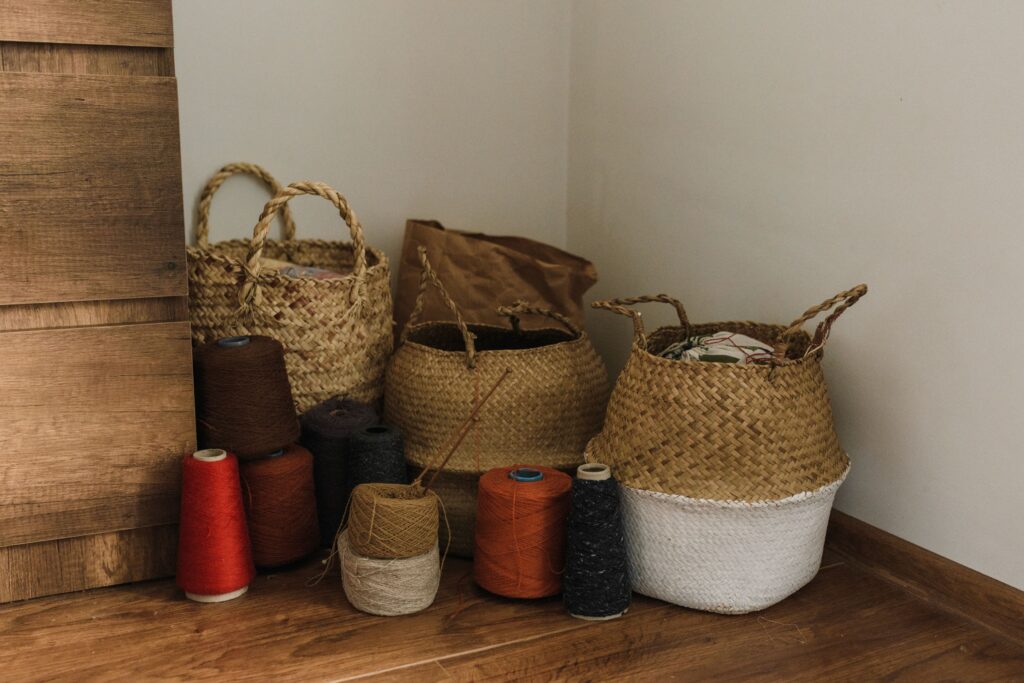
Have you ever started a project and then lost parts of said project? (In part because you kept the parts out on the kitchen counter for multiple days?)
*Raises hand*
I have.
Enter the project spot . . . A bin or bag with a specific home in your house where you keep the pieces for your projects.
It helps you keep track of all the pieces, and it looks better than having everything scattered across coffee table!
Give things a leash
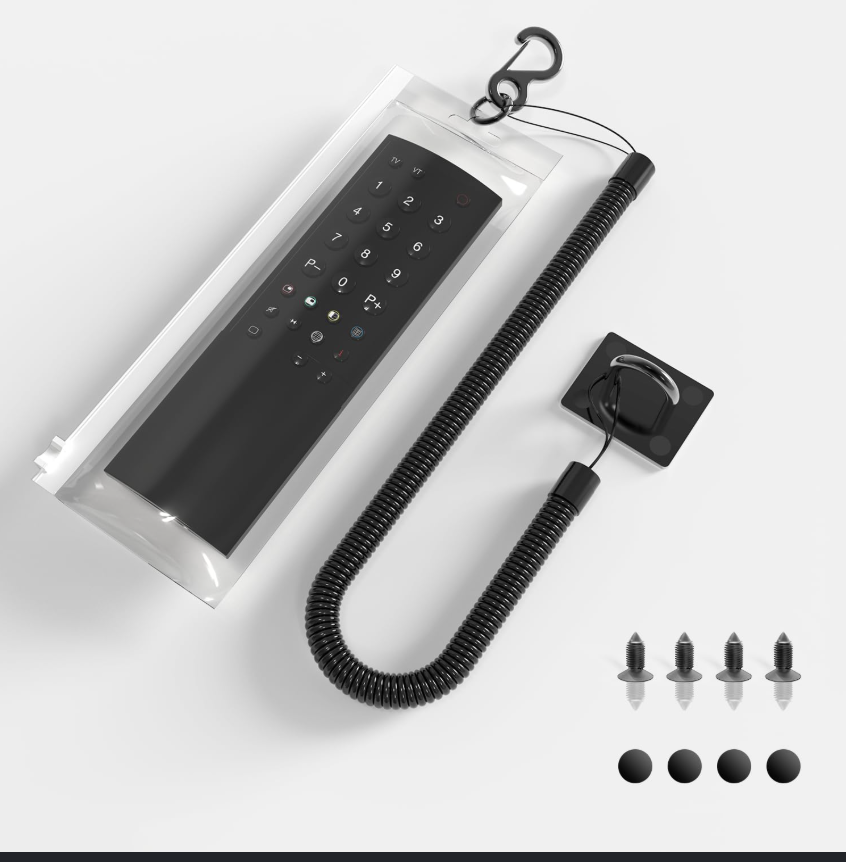
I found this tip in a reddit thread, and it’s ridiculous.
But also genius.
Obviously, I haven’t tried this in real life, but for reaaaally vital items like meds, it could save your tail.
I’m considering doing it to our hairbrush, because somehow ours always disappears (in spite of how far I’ve come in decluttering and putting items away).
The reddit user tied their meds with string, but I found this remote leash on Amazon that I’d be willing to try.
Use compartments in your drawers
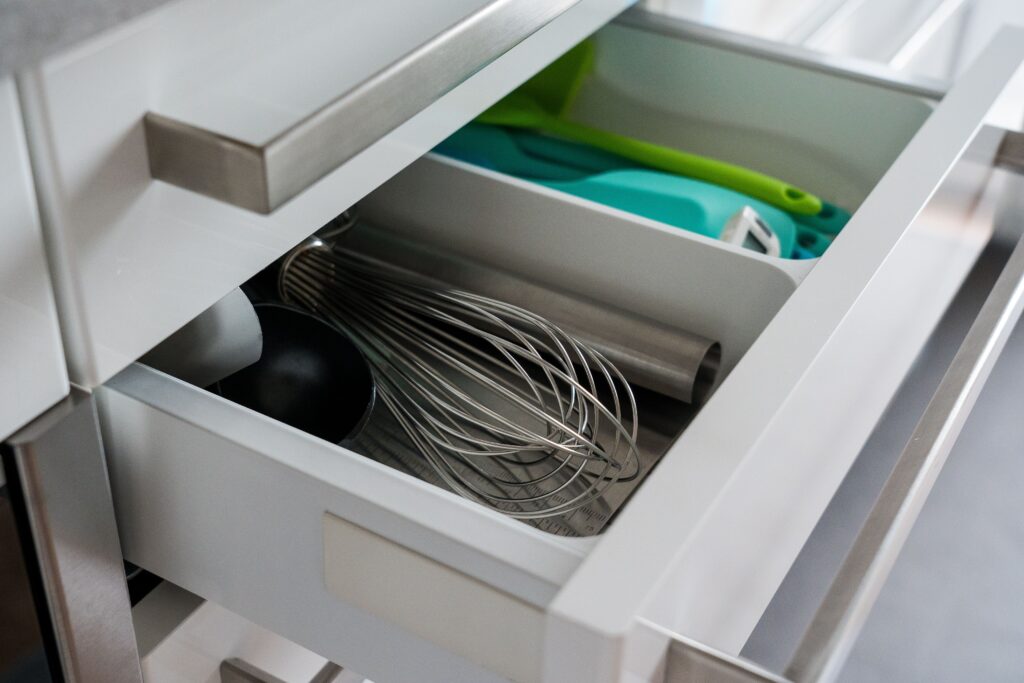
I used to think compartments in drawers were for snobs.
(Don’t ask me why . . . I was weird that way.)
But now I realize they’re actually a great way to keep like items together and corral littler things (like socks).
When your stuff has a clear place to go (and isn’t as mixed together), you’re less likely to lose it!
A quick precautions: Don’t over-do it. If you have too many compartments, you’ll get confused by or lazy with them. Keep it simple.
The bins I link to above would be great for the bathroom or kitchen, but something like this would be good for dressers.
Though, you can always use cardboard boxes if you just want to try it out for a while.
Label stuff
I have to make a confession: I have never labelled things.
I’ve always had this nagging feeling that labels were part of the “ludicrous” level of organizing.
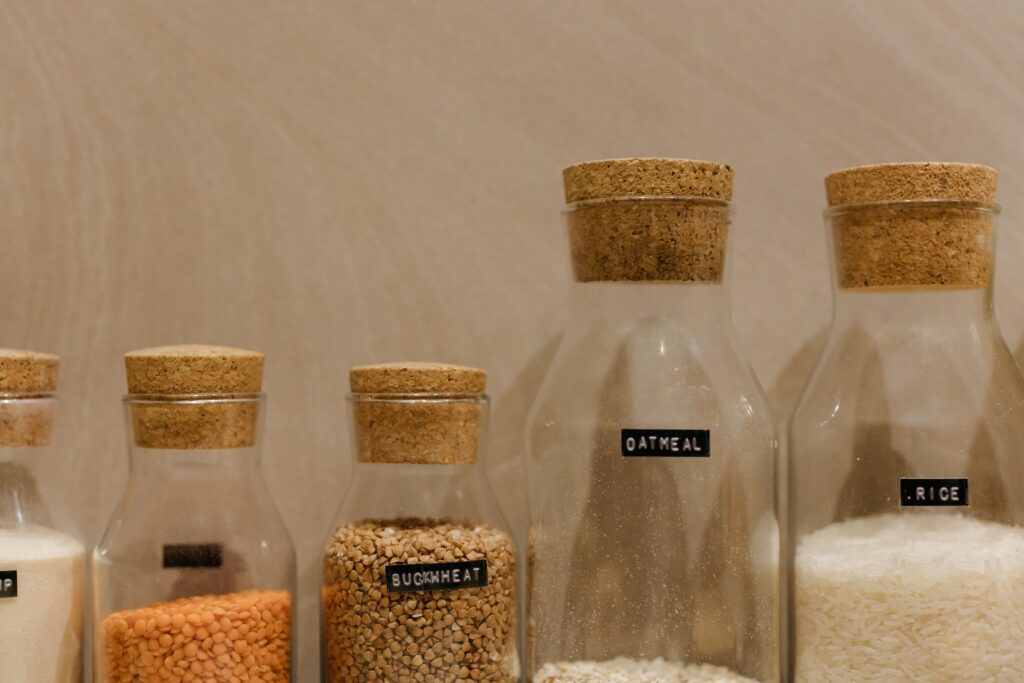
However, as I’ve watched more of Cas’ Clutterbug content, I’ve learned that labels aren’t for organizing experts.
They’re for novices.
Labels help people who would typically leave stuff everywhere, because they clearly say where things are at.
They take away the fear of losing or forgetting about stuff when you put it away.
And, they’re pretty!
So if making things look good is important to you (and especially if you don’t like using clear containers), this is the tip for you.
I think abels like these ones would work well. They’re super affordable AND reusable.
Follow the container rule
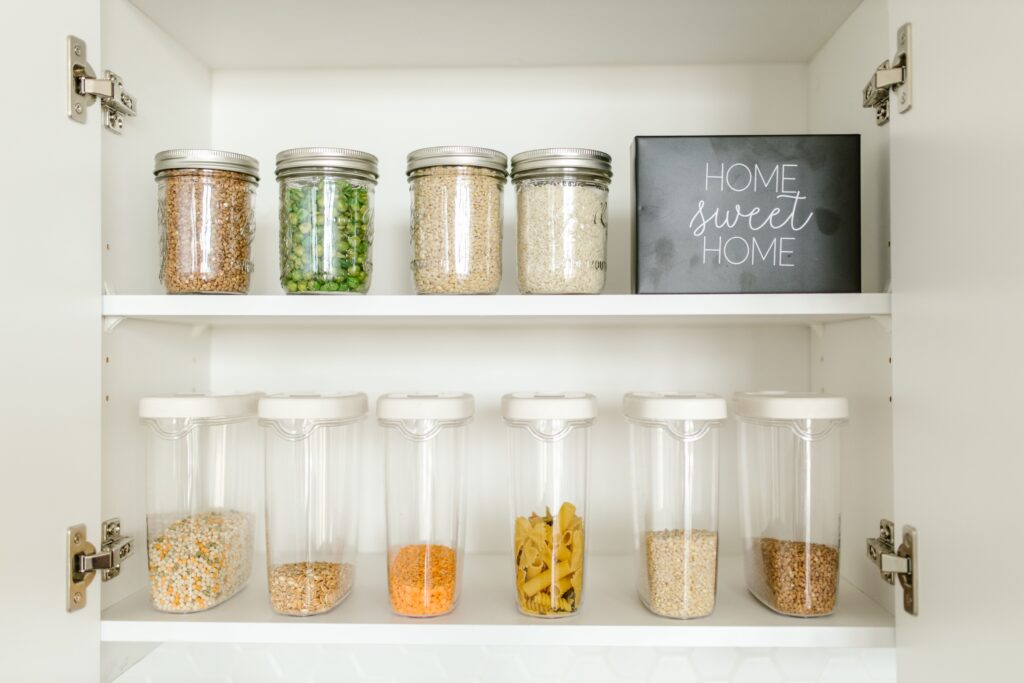
I have written about this so much on here that I’m tempted to just copy and paste it (Though, I won’t do that to you, lol).
But anywho, the container rule is this:
Containers are meant to contain items. If a container cannot contain said items, you need to get rid of some things.
And that’s pretty much it.
This rule is nice, though, because the container makes the decision about when we need to declutter, not us.
If it can’t fit everything . . . something has to go.
And remember, a container can be anything from a cupboard to a room to a house.
So . . . what does all that have to do with not losing things?
Well, when we stop putting more in our containers than they can contain, it becomes much easier to find stuff.
And that’s pretty much it. It’s that simple!
Also, full disclosure, credit for this idea goes to Dana K. White (I love that lady). I heard it while listening to her book Decluttering At the Speed of Life a few years ago.
Use bags
I personally am not a micro-organizer (that means I don’t sort all my stuff into teeny tiny individual compartments).
But I’ve learned that grouping smaller items together can make it easier to find stuff.
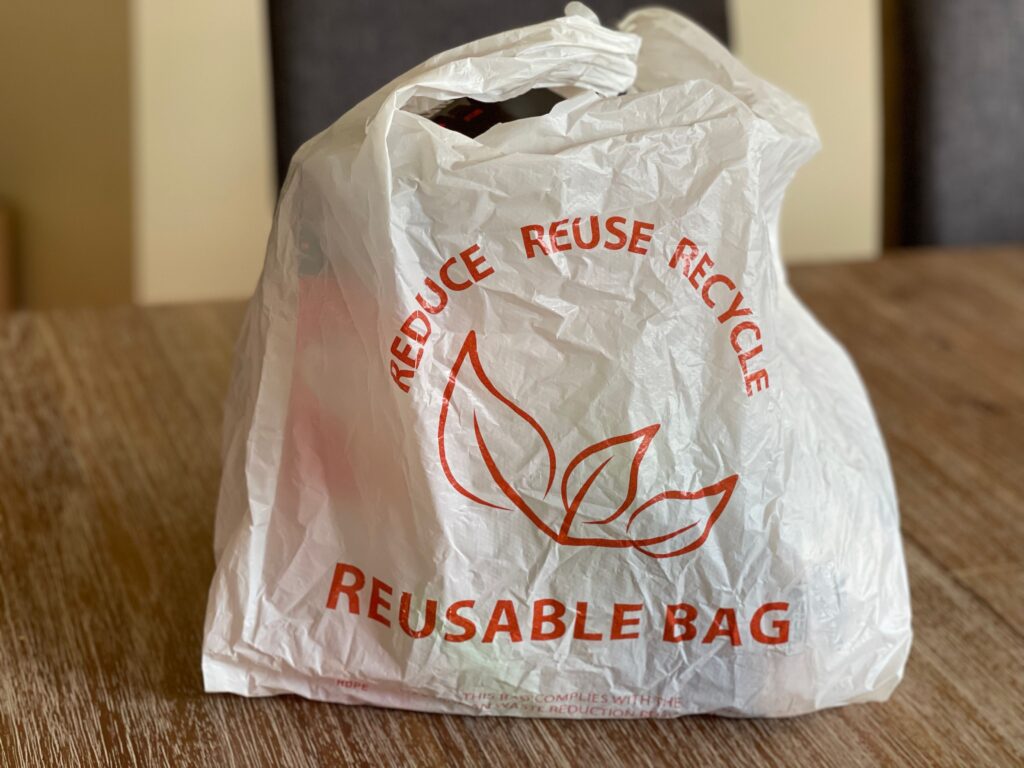
And my favorite tool for this (after bins) is . . . wait for it . . . plastic baggies.
(Yes, plastic baggies. Hear me out here).
Typically, I like to just toss stuff in a bin when I put it away (Remember: easy to put away means it gets put away and I can find it later.)
But baggies keep little items together, and plastic baggies are clear, so you can quickly see what’s inside them.
Plus, if you decide down the road that you don’t want to keep things in a bag, you’ve only lost like 2 cents.
(And why spend more money? Like really?)
Utilize adhesive bins to keep stuff off the ground but in sight
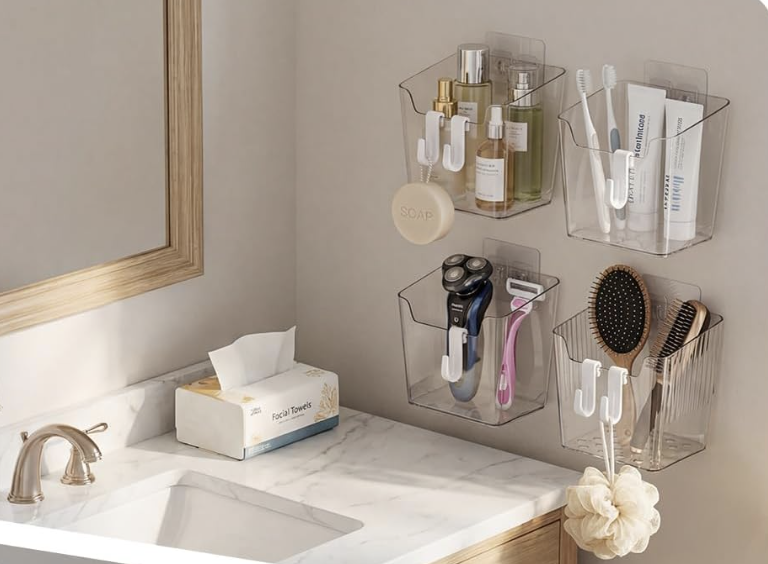
Full disclosure; I haven’t actually tried these either.
But if you want to keep items in reach (while still playing “ground is lava” like I mentioned up above), check these out.
Note that I chose clear bins here because, as I said before, a lot of people who lose things need to be able to see their items.
But you can also use opaque ones if you’re sensitive to visual clutter.
You may lose things, but don’t lose hope
We made it to the end of our list! I hope you found some things that are helpful.
My item-loss issues have definitely gotten better as I’m implemented a lot of these. Decluttering made a MASSIVE difference (start with this article for help with that) and then organizing wisely after was key.
My biggest takeaway from this entire process, though, is to be happy with every bit of progress I make.
Even if it’s slow. Even if it’s slight.
Because Rome wasn’t built in a day, and slight improvements in life are powerful over time.
(You might like some of my motivational fitness quotes or getting up early quotes. They talk some about that.)
But just remember that you will get there. Eventually. And that’s okay.
Ciao for now, and please share your favorite tips for retaining items down below!