I don’t know about y’all, but I feel like kids are always noticing random things that I would NEVER have picked up on.
Sometimes what they see is sweet, and sometimes it’s funny, and sometimes it’s sobering (like almost change-your-life sobering–it’s crazy the observations they can make!).
But whether what they see makes us want to laugh or cry, I think we can all safely say that we appreciate their unique perspective.
Plus, knowing what they notice can help us be better caregivers and examples. So, let’s get started.
1. Things That are Beautiful
Kids notice pretty stuff. Who hasn’t had a kid who’s drawn to the first flower they see when they step outside?
In fact, A 2023 study from the University of Sussex showed that children have a preference for fine art that starts in infancy.
But as we grow older, we often forget to stop and smell the roses. Maybe we should let the wonder of the kids around remind us to pause to enjoy the pretty things in life. According to Psychology Today, there are numerous benefits.
2. Height
It’s true. As adults, we’ve been trained not to say things that might be impolite, but kids?
They have no such qualms.
And, their whole life they’ve been told their little . . . So it makes sense that they’d notice the difference between big and small things.
Not too long ago I had my 5-year-old ask (in reference to our 4 ft Walmart cashier) “Why is she so short?!”
I was slightly mortified, and quickly explained that some people are tall and some people are short and that’s just how we’re made. And that’s okay.
But I could tell the cashier was slightly miffed, haha.
3. Animals
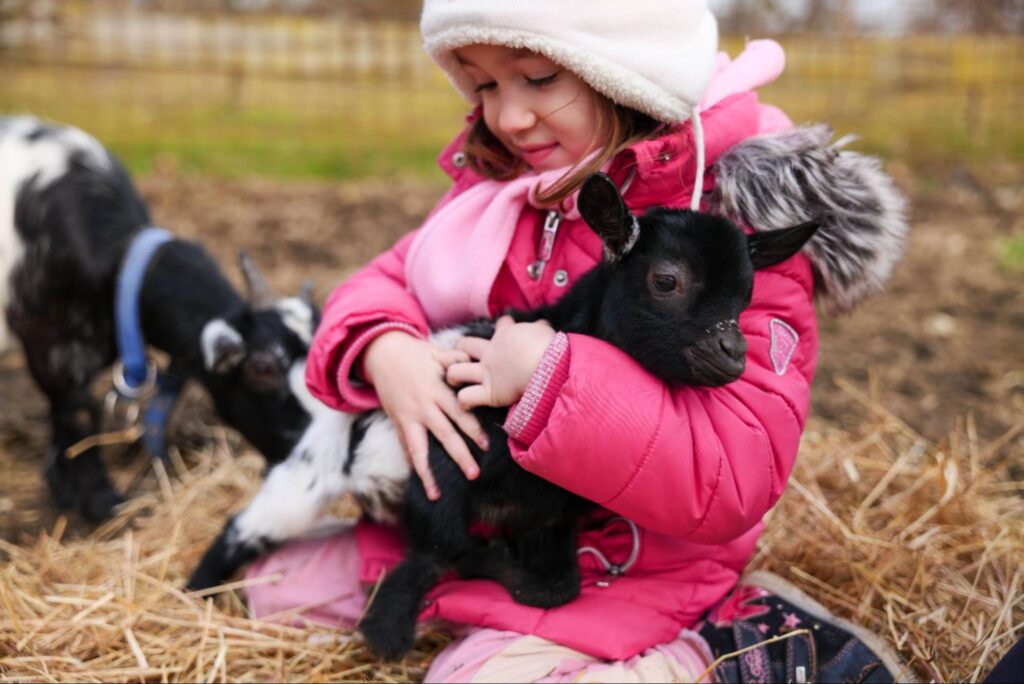
Kids notice the second they enter a space with an animal. In fact, a 2013 study from the British Journal of Developmental Psychology showed that children in a room with toys and animals are more likely to interact with the animals than the toys–even when the animals are threatening.
This is likely due to some sort of evolutionary biology. Our ancestors needed to notice animals in their vicinity for food and safety purposes. Plus, humans are primed for social interaction, and animals provide that, in spite of their inability to speak.
4. Inconsistency
Have you ever tried to change the rules on a toddler?
They notice, and the consequences can be dire (they’ll forever be trying to get the rule-bending side of you).
Kids notice inconsistency, and this 2016 study shows that once a source has been proven unreliable, they’re less likely to trust it again.
5. When They Have a Need That’s Not Being Met
According to the National Center for Health, kids don’t always know the difference between being physically and emotionally “hungry.”
What they do notice, however, is when they have a need that’s not met. And they’ll try to tell you, even if their way of telling you is acting out or being obnoxious.
So pay attention to the cues kids around you give you. If they’re discontent, it’s probably their way of saying they’re hungry (in one way or another).
6. Potential
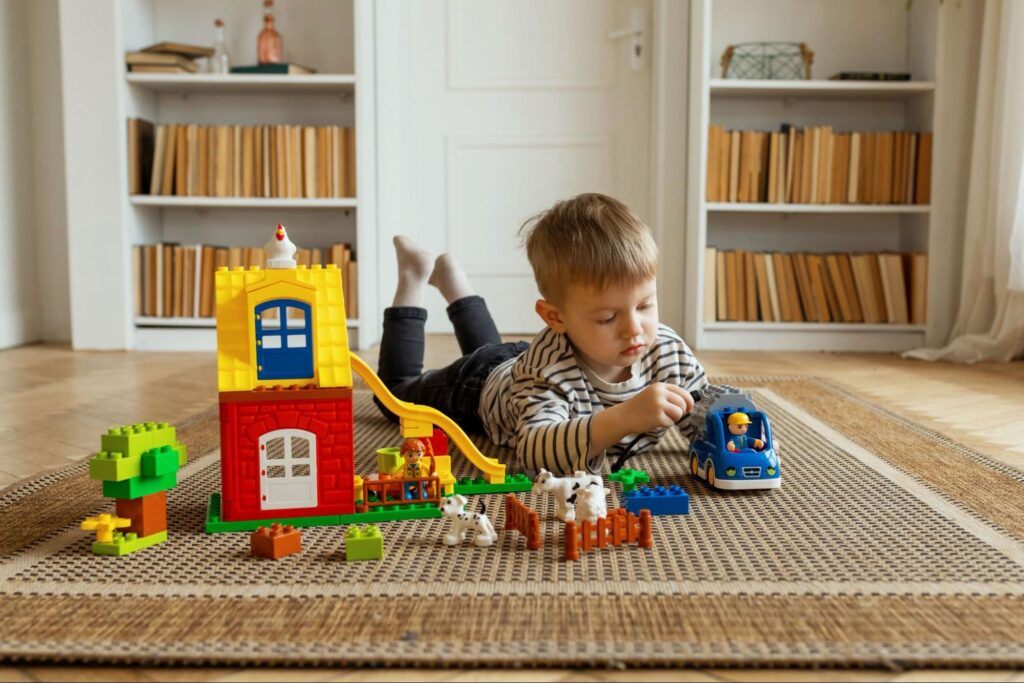
Have you ever had a kid proudly tell you they were going to be an astronaut when they grow up?
They probably don’t realize how hard it is to do. But, even if you told them, they likely wouldn’t care.
You can label it naivety, but kids believe in the potential they and those around them possess.
The disappointment of growing up often sours this point of view in adults, but I think we could all do well to curb our skepticism and see our potential through the eyes of a child again.
7. The Way Spouses Treat Each Other
There are numerous studies proving that kids notice and are impacted by interspousal dynamics. In fact, one study from the University of Oregon shows that even babies pick up on voice tones when sleeping and will exhibit signs of stress on brain scans.
Whether you’re a parent or just an adult who’s around kids now and then, let this be another reason to work constructively with others (and build a healthy relationship with your spouse (try these 25 activities to do together) when you are married).
That way your kids don’t pay the developmental price that comes with conflict.
8. Routines
Have you ever had a child get frustrated because you missed a step or did something out of order?
I’ve experienced this when reading books to my kids. If I mess up a single word in one of their favorite stories, they notice.
And sometimes it’s not pretty.
But that’s because children are creatures of habit–and for good reason. A massive study performed by the University of Wisconsin and Columbia University showed that in small children, regularity improved social and emotional well-being.
I’m inclined to say that routines are important to kids because of their importance for kids.
If you want help building better routines and habits, I’ve personally found this book quite helpful.
9. Negative Emotions
It may seem like some kids are in their own little world, but studies show that little kids are actually hyper-aware of the emotions of those around them–especially the negative ones.
This is because of something called social referencing that’s built deep into our biology. Basically, little children analyze the behavior of adults to determine how they should react in a situation.
So that smile you throw on to hide your stress? It’s not fooling any little one. Toddler’s brains can see the difference in your body language.
10. Weight
Kids notice when things are different. And, in spite of society’s niceties, they see if someone looks drastically different than they do.
And unfortunately, studies show that even at a young age, kids understand that being overweight is less than desirable.
In fact, Jennifer Harriger at Seaver University found that being thin is already marked as the ideal in preschool girls (and this study confirms that boys are aware of it too).
11. Bugs
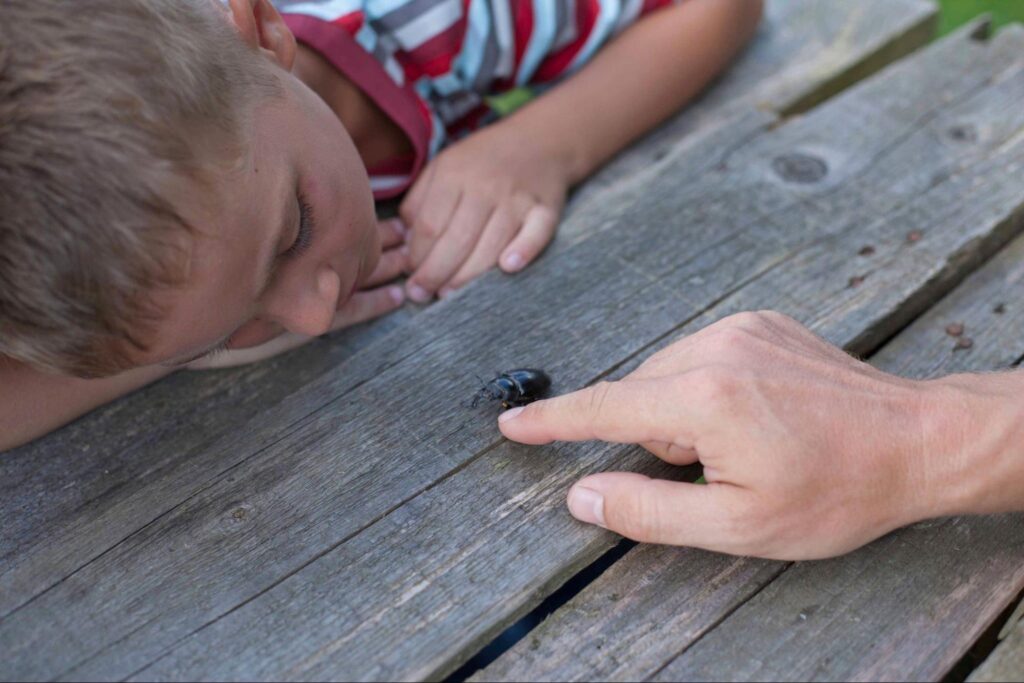
This is a more light-hearted point, but kids see tiny details that we don’t and–of course–that includes bugs.
I can’t tell you the number of times my kids have noticed the lone ant crawling across the driveway or (gasp) the wasp crossing our path outside.
A 2017 study from Ohio State University suggested that young children haven’t yet developed selective blocking, so they don’t filter things out like adults do. Perhaps that’s why they’re so good at seeing little creepy-crawlies.
12. How Others Dress
Sensitivity to fashion starts young.
In fact, a publication from the Journal of Experimental Child Psychology shared that clothing plays a role in friendship choices in children as young as 3 years old. Though, older children are able to make more nuanced judgements and evaluations.
To me, this is a reminder to be wise in what I teach the kids around me about fashion. I personally want my kids to know how to dress nicely, but to understand that the clothes don’t make the person.
13. Little Victories
Children are masters at celebrating little victories.
I mean, it probably helps that kids are literally always learning by necessity, but there’s something refreshing about seeing a one-year-old build a tower of three blocks and then do a celebratory dance.
But what’s really neat is that younger toddlers are more likely to celebrate small wins for the sake of the win itself rather than worrying about external pressure.
And while external pressure is important in helping us succeed as adults, it’s also nice to be reminded by children that we can choose to be happy about little accomplishments in day-to-day life.
14. Facial Traits
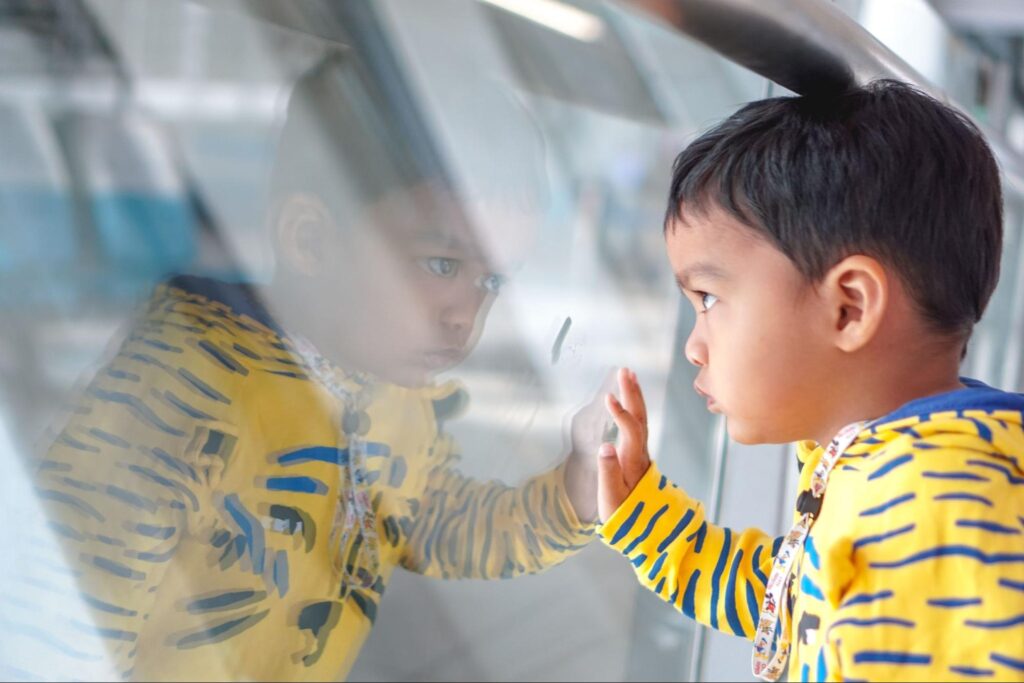
This might seem shallow, but kids see when someone’s pretty–and it happens to be built into their biology.
In fact, this randomized control trial showed that even infants prefer facial symmetry over “averageness” (a preference that adults share and that is associated with beauty).
However, infants also showed a preference that adults didn’t–they liked more distinctive faces.
Perhaps it’s something about how kids love to look at new things.
15. Gestures
Some might think that only adults care about hand gesturing, but it turns out that kids care too.
This 2024 study published at Taylor and Francis showed that kids notice open (arms out) vs. contracted (arms in) postures, and they prefer a more open stance with the arms out and free to move.
Not only that, but this study showed that some older children will use gesturing as a benchmark for assessing if someone is a good teacher or not!
16. What Adults Value
We may not realize it, but kids see what we value.
In fact, this study from Harvard and MIT shows that by 10 months old, babies are already evaluating how much adults value things–and they use the effort put in by adults to figure it out.
Kids see if we work hard for something, and they know it’s important based on the time, sweat, and tears we put into it.
17. Integrity
Kids notice honesty sooner than we may think.
In fact, this study from back in 2014 shows that kids as young as 4 will detect when others lie and will choose to rely upon honest individuals over dishonest ones. By 5 years of age, this applies even when other factors such as cleanliness (or a lack thereof) are present.
They will pick the honest person over the dishonest one, even if the dishonest one has a more polished exterior.
18. If Someone’s Kind (Or Not)
Way back in 2007, Yale University did a study on 6 and 10 month old babies that showed how kids prefer prosocial–or helper–behavior.
They used geometric shapes (a circle, square, and triangle) and had one climb a hill while another shape helped and another shape hindered it.
The babies showed a preference for the helper shape over a neutral shape, and even went so far as to show preference for the neutral shape over the hindering shape.
The striking part? When researchers replicated the experiment in 5 day old newborns in 2025, the newborns showed the same preference, spending far more time watching the helping shape over the other ones.
So when people are kind–or not–you can bet that kids notice.
19. When They’re On Camera
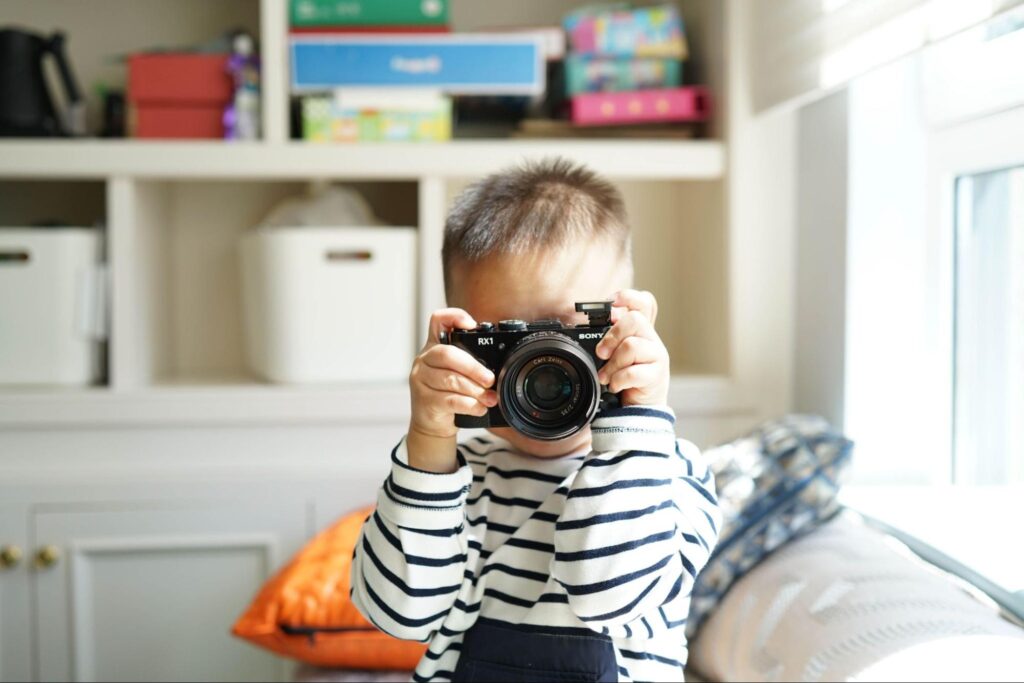
I don’t know about your kids, but mine become hyper-aware the second that a camera comes out. It’s especially noticeable when I want an organic video of my kids being hilarious–but they get weird the second they see my phone recording.
And the research backs up my observations–kids alter their behavior when they know they’re being recorded. Interestingly enough, they tend to be more honest while on camera.
20. Background Details
Have you ever had a conversation with a child and been impressed by their attention to off-the-wall details?
That’s their ability to absorb background information at work.
They don’t develop the ability to filter out distractions until they are older.
This can be tricky when teaching a particular subject, but it can also be a gift because it maximizes a kid’s ability to learn generally from everything around them.
21. Praise
Though children don’t worry about external pressures as much as adults do, studies show that by 21 months, kids will start to look to outside sources for evaluation of their success.
And while I don’t know what the perfectly correct method of praise for small children is (that’s a whole other post), it’s important to know that kids need you to notice their accomplishments–their biology is wired that way.
22. How Adults Respond to Stress
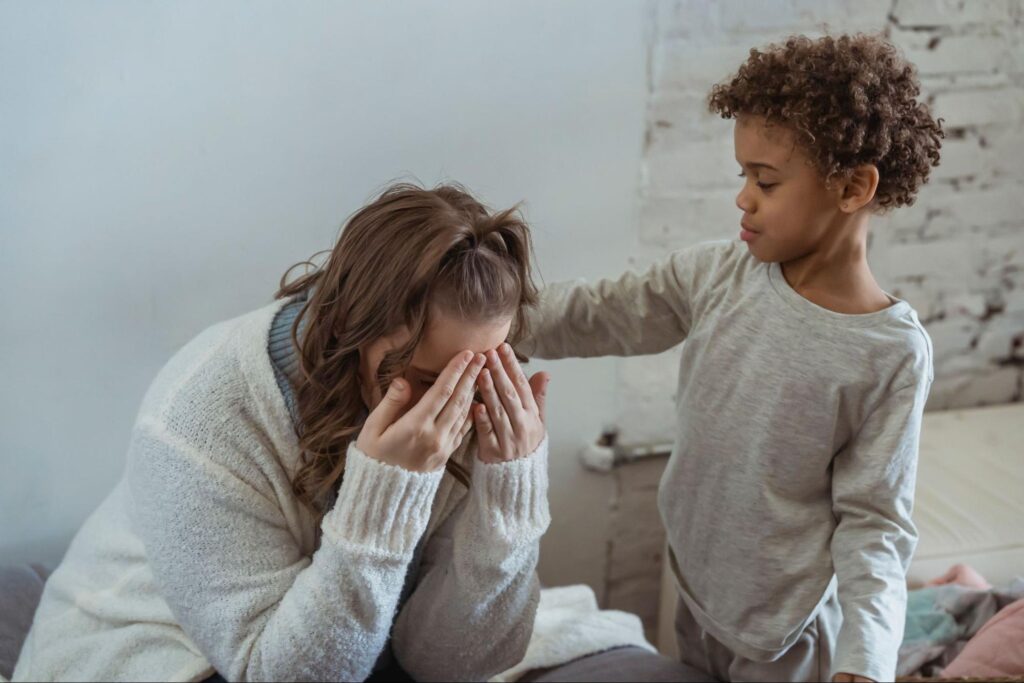
Kids notice your response to stress–and it turns out they mimic it.
Are you dramatic about setbacks? The kids around you will be too (especially if you’re their parent). Do you take stressors in stride? The kids your close to will too.
It’s important that we, as adults, learn to model good behavior so that the children we care for will be equipped with the tools they need to handle difficult life events.
23. When Things are Risky
Don’t take this the wrong way, because I’m not saying kids are grown up and can assess risk themselves.
What I am saying, though, is that as they get older, kids become aware of risk–and science shows that it’s important that we let them manage it (within reason). It allows them to develop self-confidence and take wiser risks as they age.
24. How Much Others (Especially Parents) Use Technology
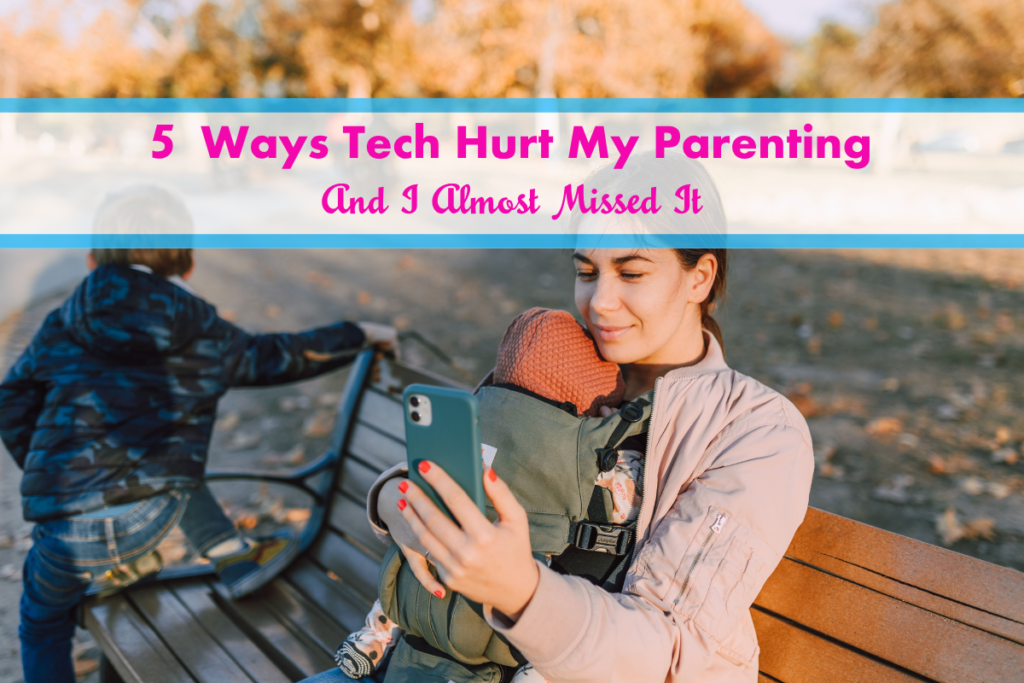
There’s a new term on the block: phubbing. What it means? Phone snubbing. In other words, when parents or caregivers use their phone instead of interacting with the children around them.
And not only do kids notice phone use and imitate it (desiring to spend more time on tech if their parents use it more), but they are emotionally impacted by it in more ways than we can count.
More anxiety, tantrums, whining, and frustration–all these and more are linked to phubbing, and there are certainly more effects that we don’t know about yet.
25. How Others Treat Their Bodies
Kids see how you treat yourself. And, if you want the kids in your life to learn positive body talk, guess what? You need to model it.
A study published way back in 2008 by Wiley Periodicals showed that the way mothers interact with their own bodies impacts children (for better or worse) and can cause restrained eating habits.
You can bet the way fathers and caregivers treat their bodies impacts kids too.
So, be kind to your bodies, and if you want to work on treating it better and exercising a bit more, check out this post I wrote a while back with motivating exercise quotes.
From the beautiful to the heartbreaking, kids see different details that we should be aware of. Sometimes we need to take a leaf out of their book and remember to slow down and experience the wonder.
Other times, we need to remember that for better or worse, the children around us notice our behavior. We better step up and do better–or face the consequences of the impact it has on the next generation.
And, if you want to read more about parenting little ones sepcifically, check out this great book on Amazon.