Have your grandkids ever picked up on things that made you smile? Things that made your heart hurt? Things that made you shake your head out of embarassment?
If you answered yes, you’re not alone!
Children are perceptive, and while some of the things they pick up on are obvious, others are quite surprising.
So, this is a fun list of things that they see that you might not be aware of.
(Of course, remember that every child is different. One of your grandchildren may notice most of these pretty consistently, and another may not.)
But I hope you enjoy reading, and that you learn some stuff about your grandchildren that you didn’t know before!
The tone behind your voice (despite what your words may say
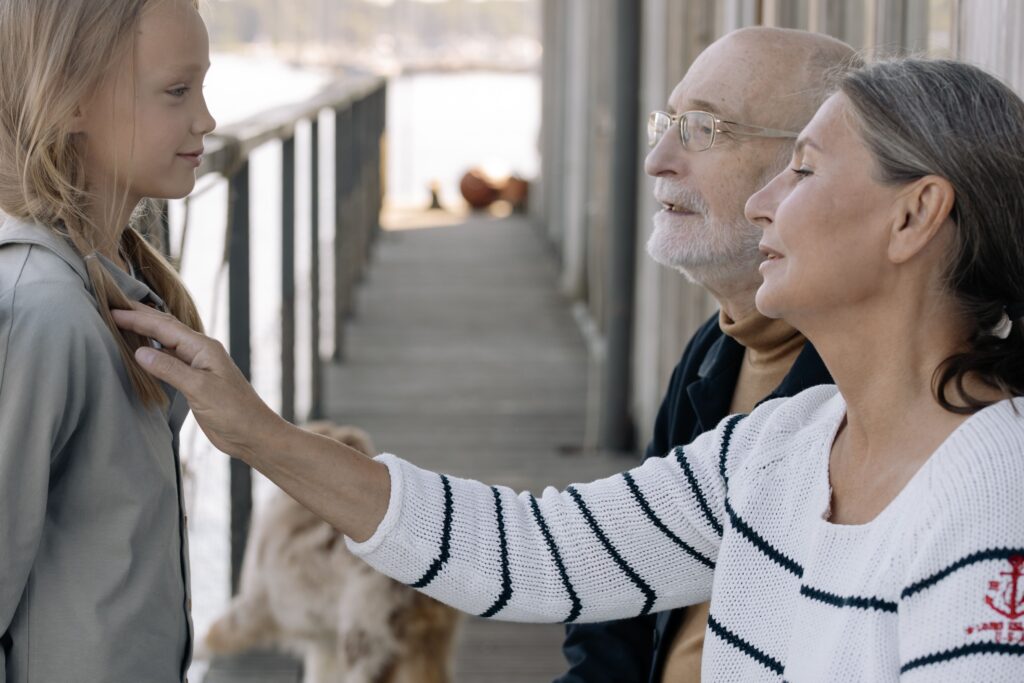
Back in 2012, researchers at the University of Beijing found that preschoolers between the ages of 3 and 5 pay more attention to how things are said than to what is said.
A separate study showed that as kids get older, they pay more attention to the meaning behind words.
But for littler kids, the intonation (and not the actual words) is the primary way they understand what a person is feeling.
So, your tone of voice plays an important role in your communication with your youngest grandchildren.
Use it wisely 🙂
The way you smell
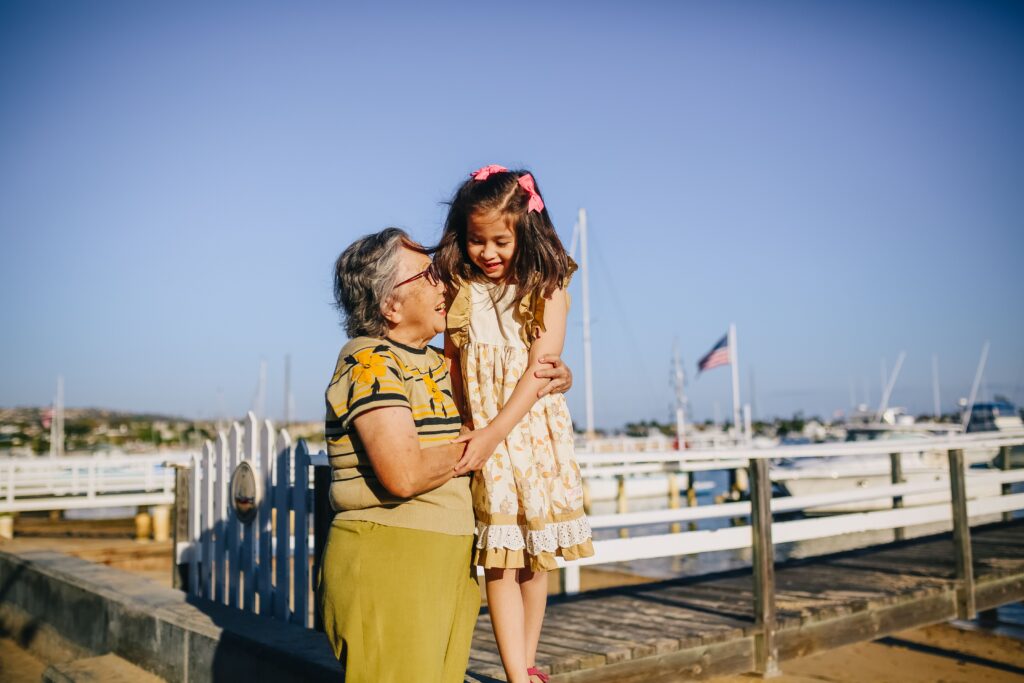
This is less science and more theory.
However, we know from research that babies know their mother’s smell well. And, in July of 2026, researchers from the University of Washington confirmed that babies also know their father’s personal odor.
It could be hypothesized that babies get to know the unique scents of any regular caregivers (including grandma and grandpa), though that has yet to be confirmed.
When you’re on technology a lot

Studies show that when parents use screens a lot around their children, they fail to support their children’s social and emotional development. Kids don’t get the attention, eye contact, and help with emotional regulation that they need, and behavior issues often result.
While your phone use as a grandparent may not affect your grandchildren in the same way, it is still best for you to keep off tech when they are around.
That way, you can give your grandkids the attention they deserve and help guide them in their development.
(If you want to read more about this, I wrote an article about the impacts of technology on parenting.)
Your accent
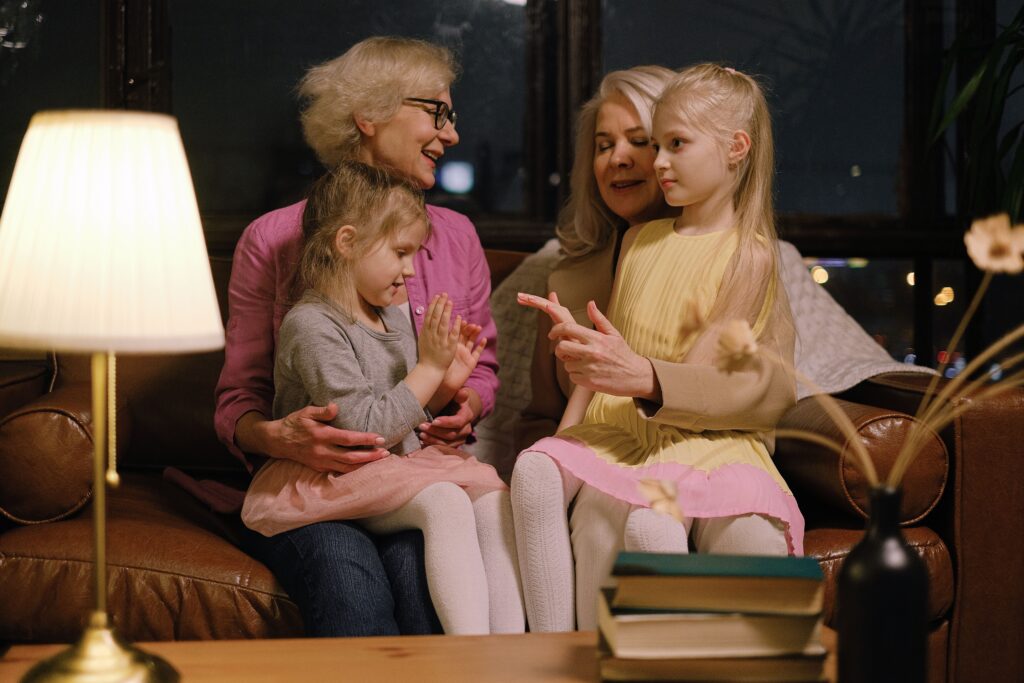
Kids notice the way you talk. And research shows that they prefer people who have an accent similar to their own.
It’s not malicious; scientists think it’s a built-in way for little kids to be guided in their early cultural education.
But if you have a different accent than your grandkids, don’t worry. Additional experiments also show that kids will trust accuracy over accent given time.
(Which leads right into our next point.)
Reliability and if you stick to your word
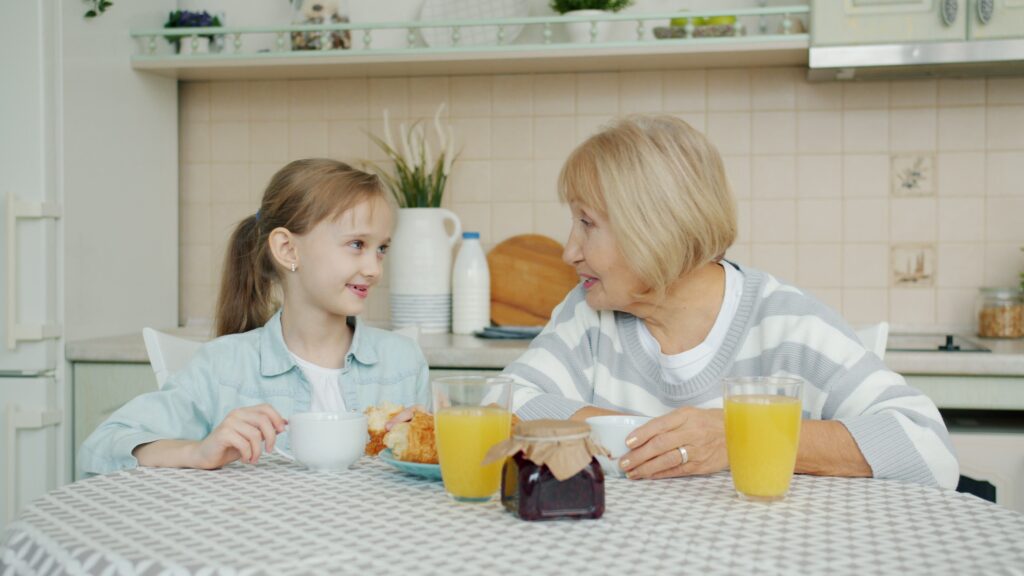
Speaking of accuracy, kids notice if you keep your promises or not. The previous study touched on this, but other studies back it up too.
For example, this review of five experiments showed that 4-year-olds will trust the word of honest individuals over dishonest ones.
And by the age of 5, kids will choose honesty over other attributes (such as cleanliness or accent, like I touched on before).
The way you look as you age
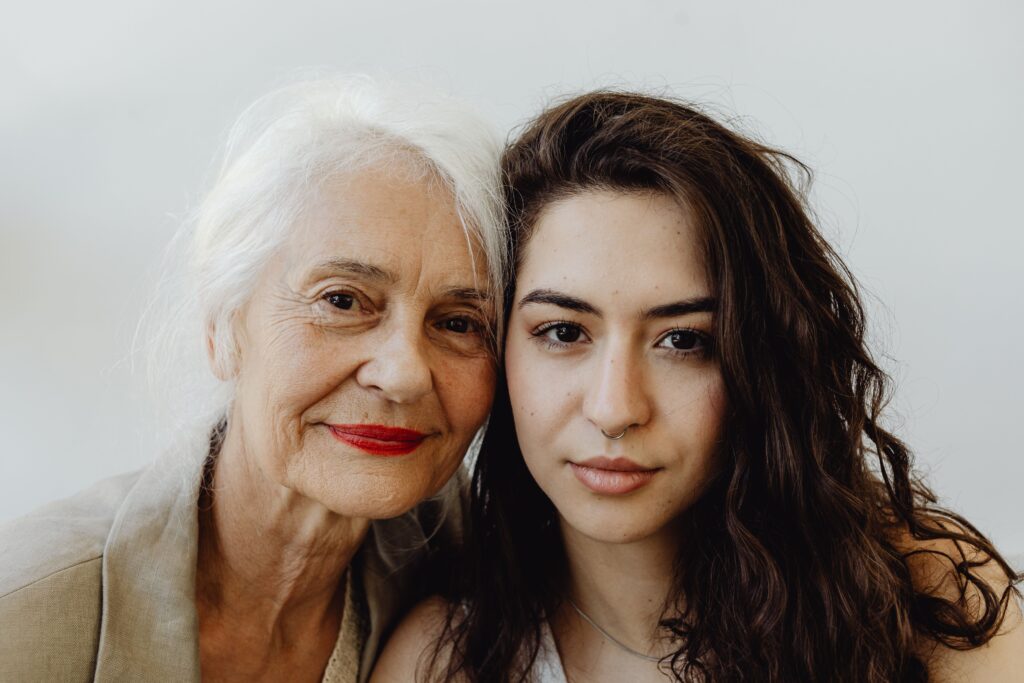
Tiny kids see people as people, but at a certain point in their development (sometime before the age of 6) they start to point out signs of age.
In fact, I remember my oldest suddenly asking one day why the lady checking us out at Walmart had such strange skin (she was elderly and wrinkly).
It was mortifying. And slightly funny. But it was also a sign that her brain was developing as it should.
She’d seen wrinkled people hundreds of times before that, but that was the day the difference clicked in her brain!
And once that difference clicks for kids, they will use it to categorize different people.
This categorization isn’t necessarily negative (unless others teach them that it is). It’s just a way for kids to understand and explain the world around them.
When you try to hide that you’re stressed

A small study published in 2020 tested to see how parent’s attempts to hide stress affect their kids.
The results were, at a glance, surprising.
When parents tried to “act natural” in spite of external stressors, the kids picked up on it, and their levels of stress increased too.
So what does that mean for you as the grandparent?
Well, it means that if you have a bond with your grandkids, they’ll likely notice when something’s bothering you.
Unfortunately, there isn’t a lot of research on how to prevent the resulting stress on the kids.
However, maybe this is a reminder that having healthy ways to cope with stress (so you don’t pass it on) is important.
When you argue with someone (especially close family members)

There’s a false idea out there that conflict goes over kids’ heads, but research shows it doesn’t.
In fact, when parents fight (or even just give each other the cold shoulder), it’s shown to erode children’s emotional security and cause anxiety or anger issues.
And though the research doesn’t extend to grandparents, you can guess that kids likely notice tension in your relationships too.
So, maybe this is a sign that you need to figure things out with someone.
(Don’t be afraid to read books or even get counselling to help you figure out a family relationship!)
Whether you express affection
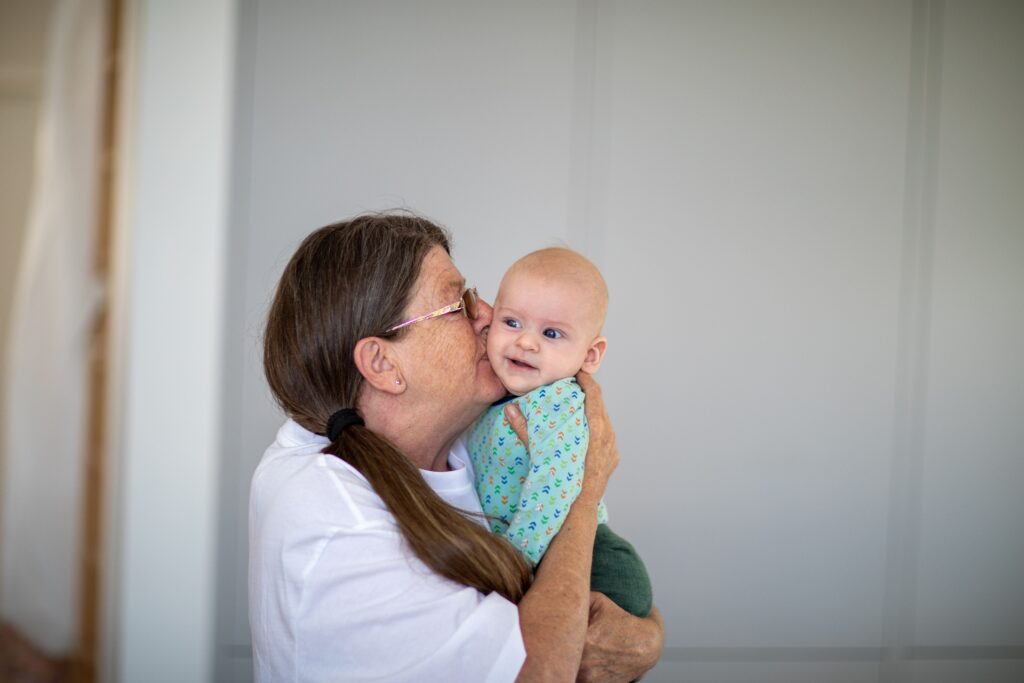
This point actually applies less to older kids and more to babies.
Because babies need physical affection. In fact, it’s vital to their healthy neurological development.
And while what we know applies to parents, you can guess that grandparents’ physical affection likely has an impact too.
So, snuggles those babies! They need it.
When you play favorites unfairly
Back in 2002, researchers dug into whether or not preferential treatment on the part of mothers impacted children’s self-esteem.
The surprising discovery?
Kids’ perception of preferential treatment only mattered if they perceived it as unfair. And the kids who had the worst emotional outcomes were the ones receiving the preferential treatment.
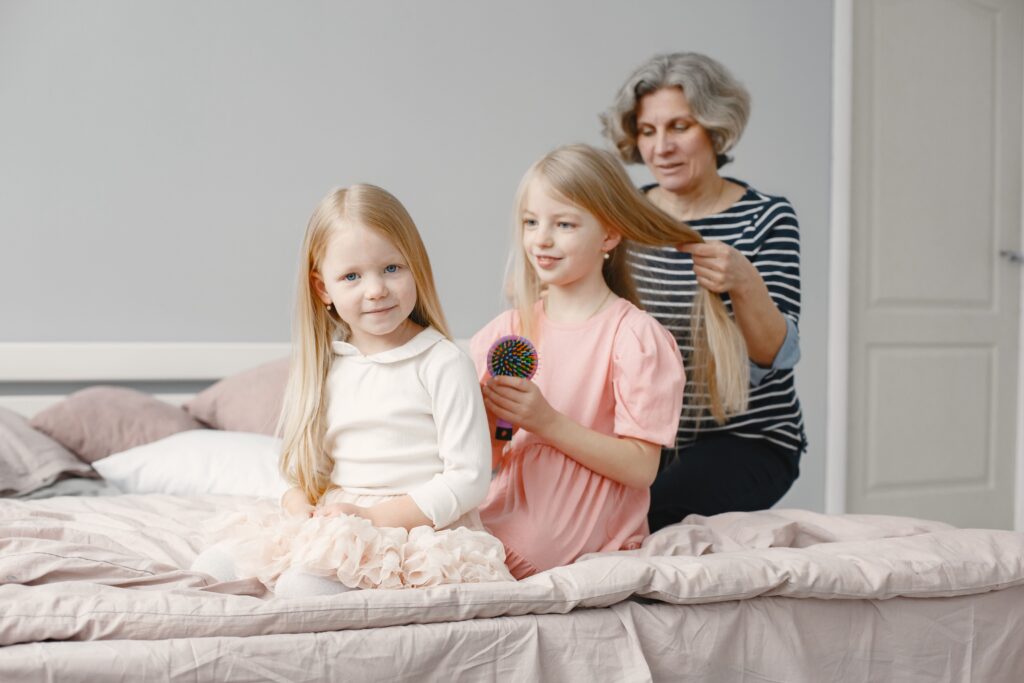
Obviously, this study was with mothers and not grandparents. But you can bet that your grandchildren observe the way you treat all of them.
And they notice if you single someone out unfairly.
Your facial expressions
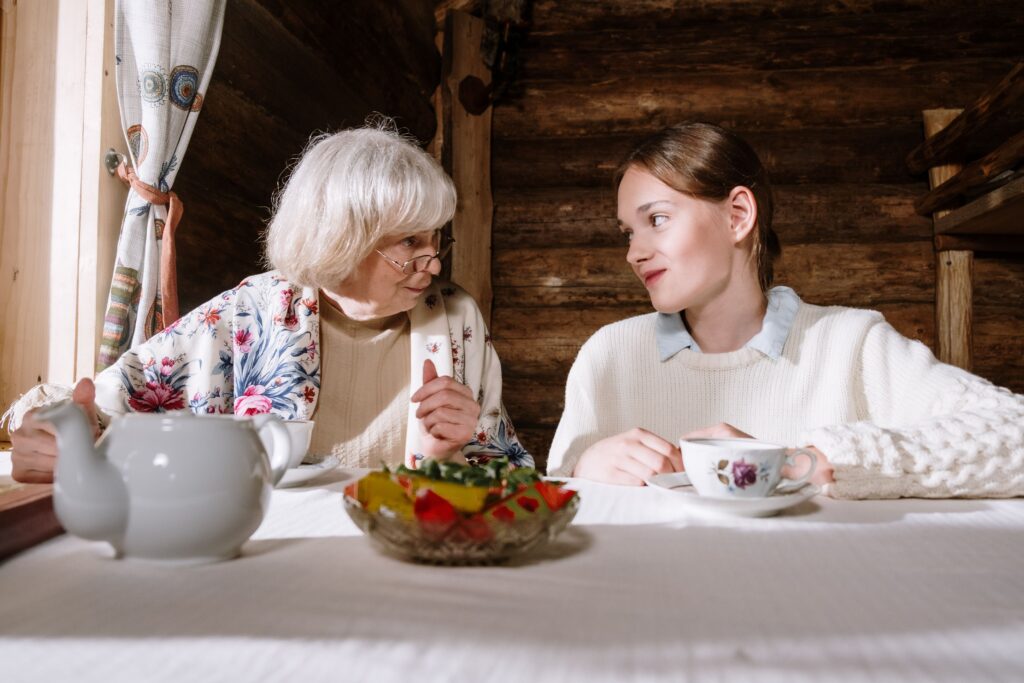
If you think your grandkids can’t read your expression, you’re wrong.
Research shows that from a young age, children notice how our emotions play out across our face.
In fact, by age 11, kids can read facial emotions as well as an adult can. However, their ability to hear emotions in someone’s voice is still developing.
The way you give praise
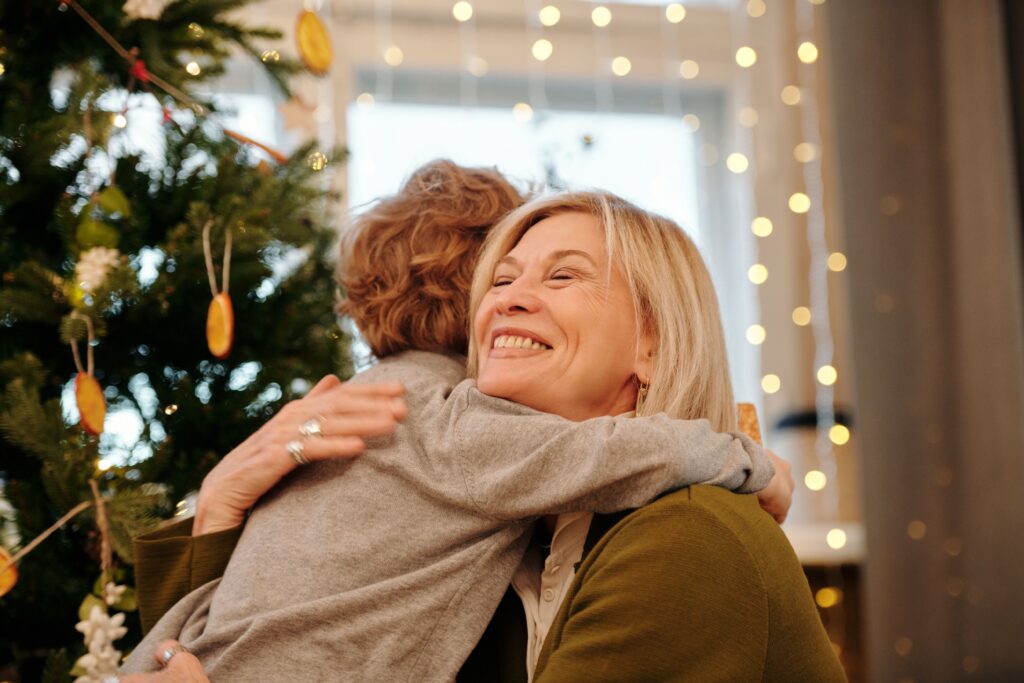
As a grandparent, I’m sure you want to praise your grandkids all the time.
(I even wrote an article about positive things for grandparents to say to their grandchildren).
However, the way that you give praise is important.
Praising effort instead of outcomes is the best way to teach kids not to give up and to persist in the face of challenges.
If you want to learn more about this, check out this video from Carol Dweck about it.
Your routines
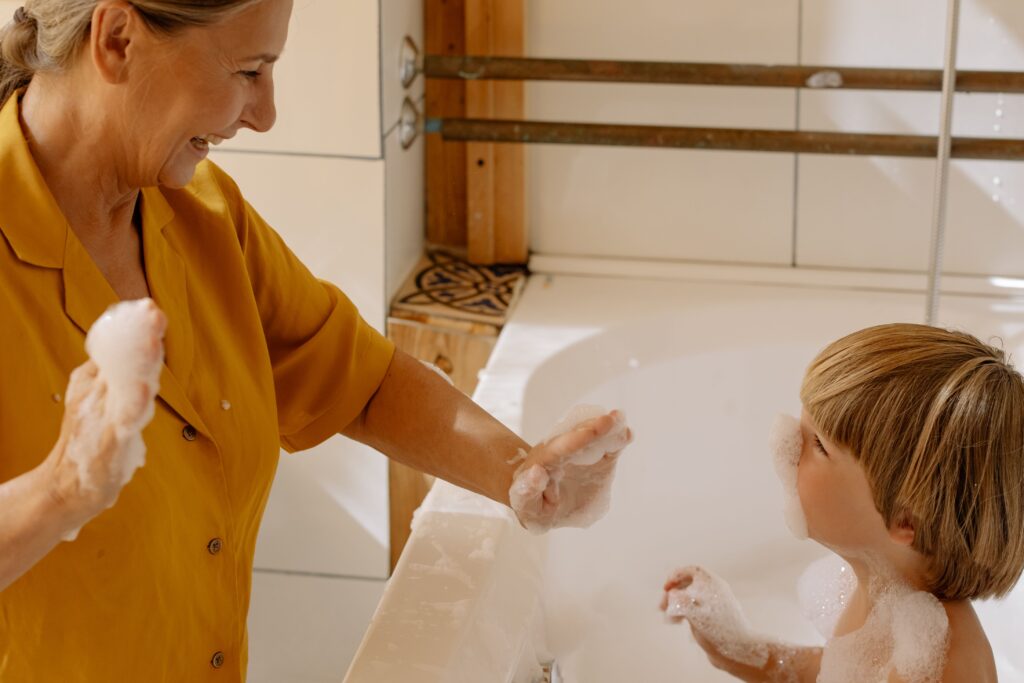
This may not be news to you, but it could be to someone else, so I’m sharing it here.
Way back in 2002, a 50-year review of research found plenty of evidence that kids thrive on routines.
Being able to predict things like dinner, bedtime, and holiday traditions was shown to lead to better health, self-regulation, and even higher academic performance.
So even though you’re not the parent, you can support healthy routines and rituals, which will assist your grandchildren long-term.
People’s weight
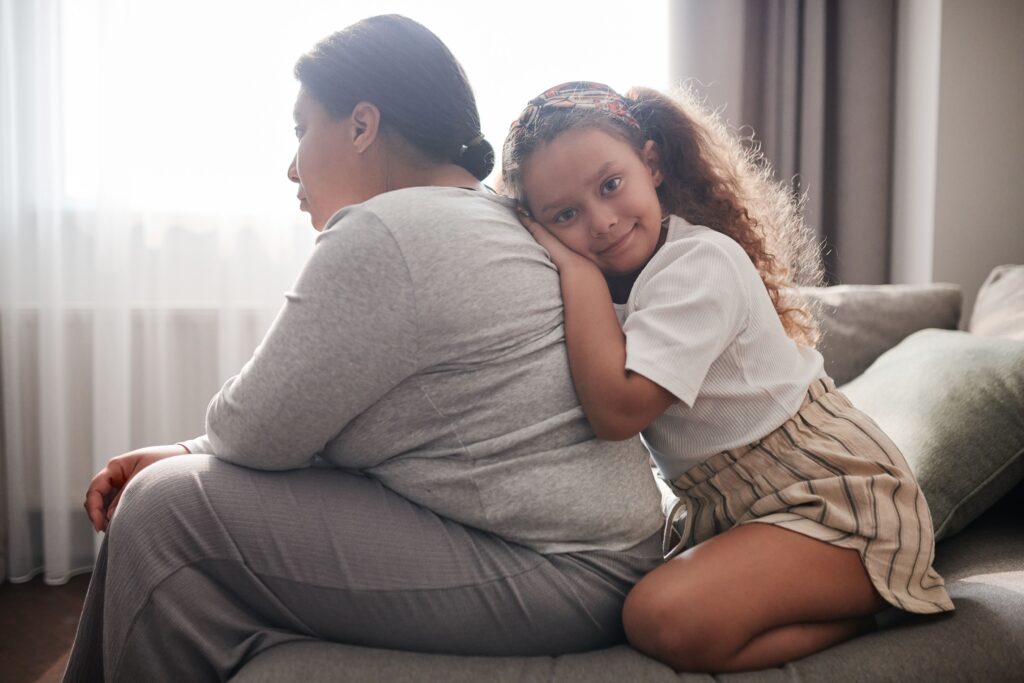
This one is sad, but it’s also true.
Preschool girls notice weight by the tender age of 3 and are already invested in the idea of being thin.
Boys likewise notice weight at a young age, and will tend to choose friends of their own (or a lesser) weight.
The one possible pro to all this, though, is that being heavier-set is associated with the stereotype of being “protective” among some children.
The way others treat elderly folks
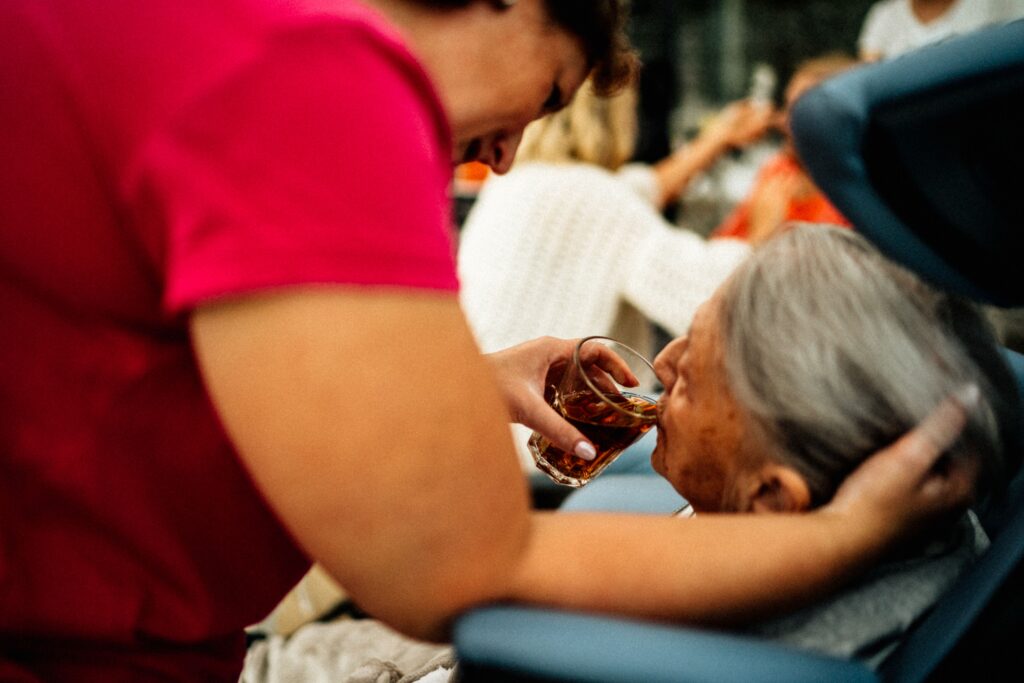
Speaking of stereotypes, in just the last few years, studies have shown that being exposed to negative stereotypes about older people changes the way kids treat them.
The good news for you, though, is that you can flip that stereotype back around as you interact with them.
And, unfortunately, agism isn’t the only bias that can impact children.
The way people dress

Yes, kids notice how others dress (in spite of how oblivious to it we might think they are).
In fact, this study showed that children as young as 3 and 4 will use clothing to help them determine if they should be friends with someone or not.
The takeaway? Kids learn to judge books by their covers young. But you can help teach them otherwise.
Whether or not conflict has been resolved

Years ago, Fox News reported on a study about parental conflict and how harmful it was to kids (we mentioned that earlier).
The interesting part, though, is that the negative effects on children were minimized when parents resolved their issues.
Maybe forgiveness really is that powerful.
The effort you put into things
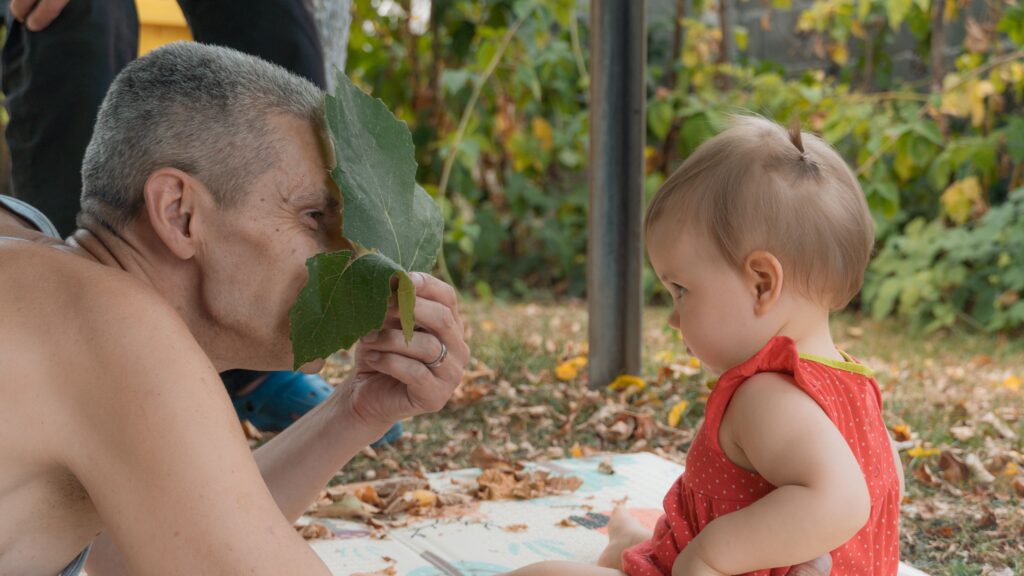
Just as kids notice forgiveness, they also notice effort.
Back in 2017, researchers were able to show that 10-month-olds preferred goals that they saw adults work harder for.
The researchers suggested that it was the effort that babies used to determine the worth of the goal, though we don’t know for sure.
The prettiness of a face
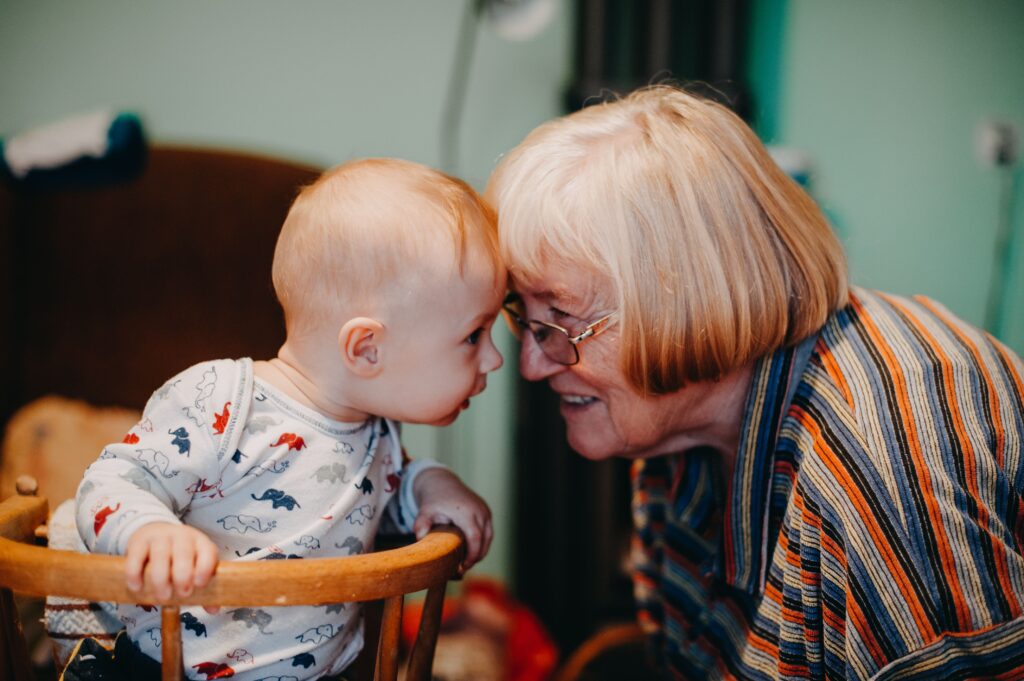
Yes, kids really do notice if someone is attractive or not!
They don’t seem to categorize beauty in quite the same way we do, though.
This study from way back in 2014 showed that little ones between the ages of 12 and 24 months prefer faces with symmetry and traits unique to men and women.
This is consistent with how adults view beauty, but there was an important caveat: the toddlers also preferred distinctive faces over average ones.
So if you look unique, little children might enjoy looking at you longer, even if you’re not considered “beautiful” by the world’s standards.
When they have an unmet need
It took years for researchers to come up with a way to measure how little kids view beauty, and that’s because little kids can’t communicate like we do.
In fact, sometimes they don’t even know what word to associate with a feeling or want that they have.
This is the case with needs such as hunger, exhaustion, quality time, and more.
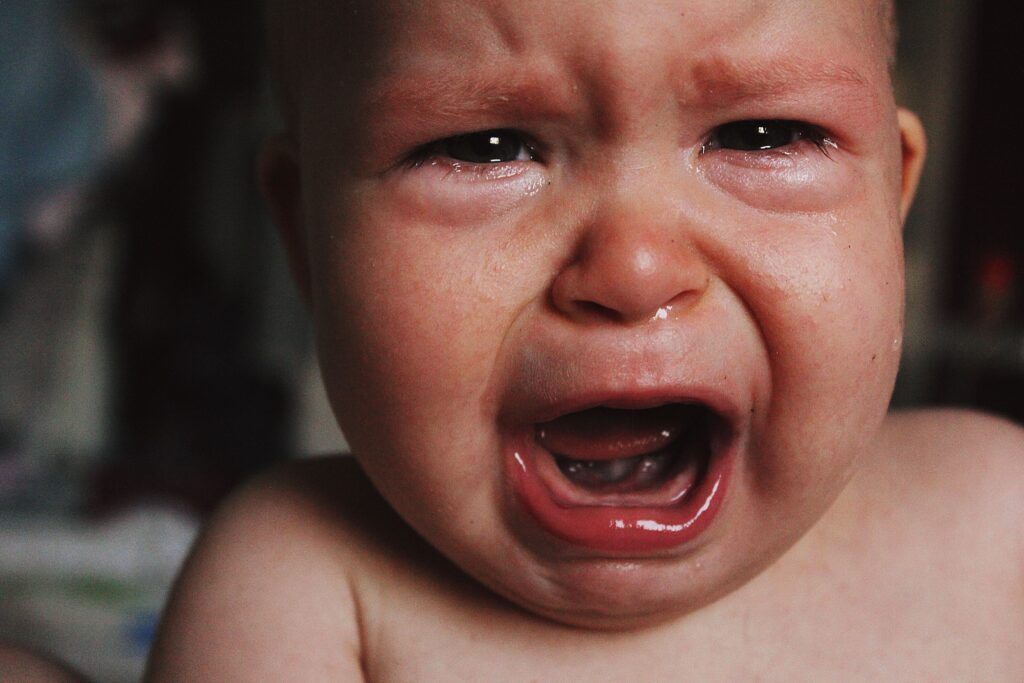
Kids often give us signals of discomfort—they know they “need” something—but they can’t express what it is.
They might say that they’re hungry when really they just want some attention, or they need a nap.
So, it’s our job to listen when kids express a need, and then ask questions to guide them to what that need is for sure
Find out if their tummy hurts, if they want to be with you, if they feel cranky, etc.
If you’re kind and helpful
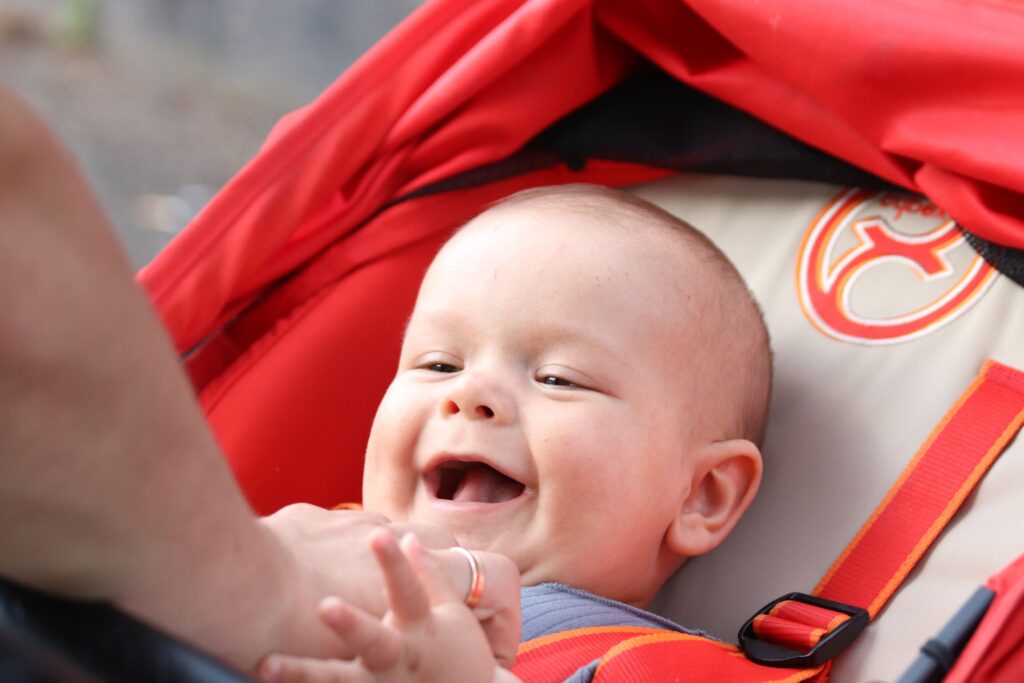
Speaking of feeling cranky, kids notice when you’re the opposite.
In fact, babies as young as 5 days old show a preference for pro-social (helping) behavior.
This suggests that it’s ingrained in us as humans to prefer people who are kind over people who are not.
I’m not saying you should be a doormat, but I am saying that when you are appropriately cheerful and helpful, grandkids typically notice and appreciate it.
When you share family history
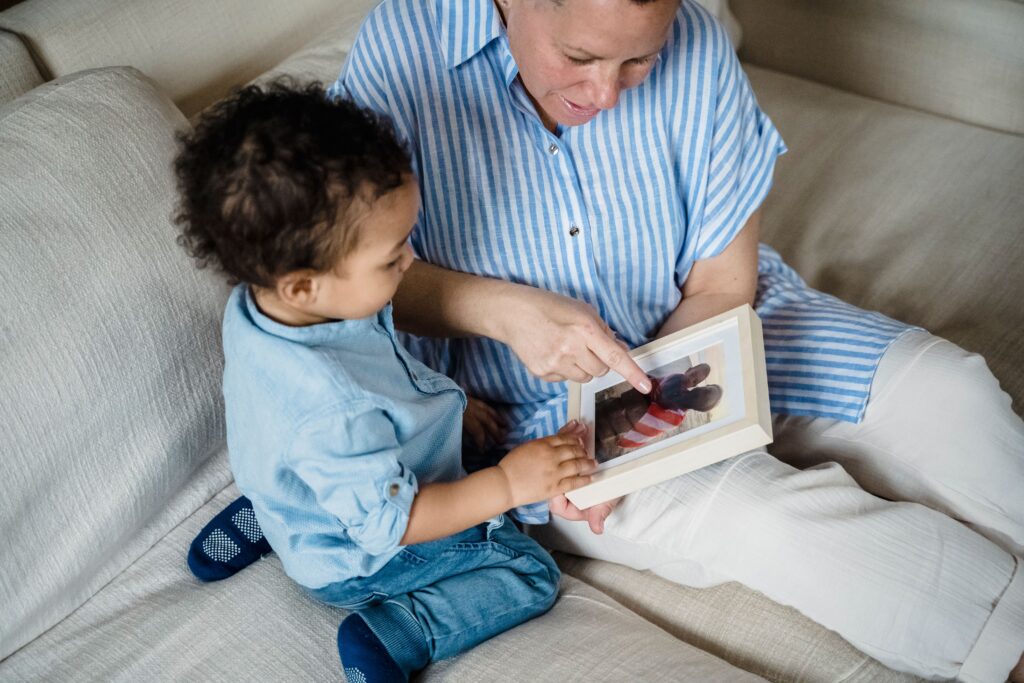
Speaking of being helpful, one helpful thing you can do for your grandkids is to share family history with them.
We might think it will go completely over their head, but in actuality, research shows that it plays an important role in giving them a sense of self.
Children who know stories about their family history have a higher sense of self-esteem and greater resiliency.
I love this because it fits with my personal beliefs about the importance of family to God. I think we have families for a reason, even if people within them sometimes make bad choices.
Whether you share hard emotions with them
The same study from Emory University that discussed the importance of family history also touched on the significance of sharing feelings about negative events.
In fact, children of parents who openly discussed their emotions when hard things occurred had greater self-esteem and resiliency (just like the kids who knew about family history).
I’m not saying to overshare, but I am saying that it’s helpful for grandkids to see how their parents—and I’m inferring grandparents too—work through their feelings in difficult times.
What have you noticed?
We made it through! I hope you learned some things that will help you support your grandkids and be a better grandparent.
If you want to read more, check out my post about positive things to say to grandchildren.
And feel free to share down below about the things you’ve noticed that your grandchildren pay attention to!