Kids are natural imitators—any parent knows it.
One of my husband’s favorite parenting stories is about our one-year-old son walking around with one hand behind his back while pretending to talk on the phone. He said he looked just like me.
(Though I wasn’t aware that I looked like that, haha.)
But kids and teens copy way more than just posture while talking on the phone; imitation is key to their development and growth.
So, let’s jump in and explore all the ways they copy us (whether knowingly or not) and how it shapes the person they become.
Phobias
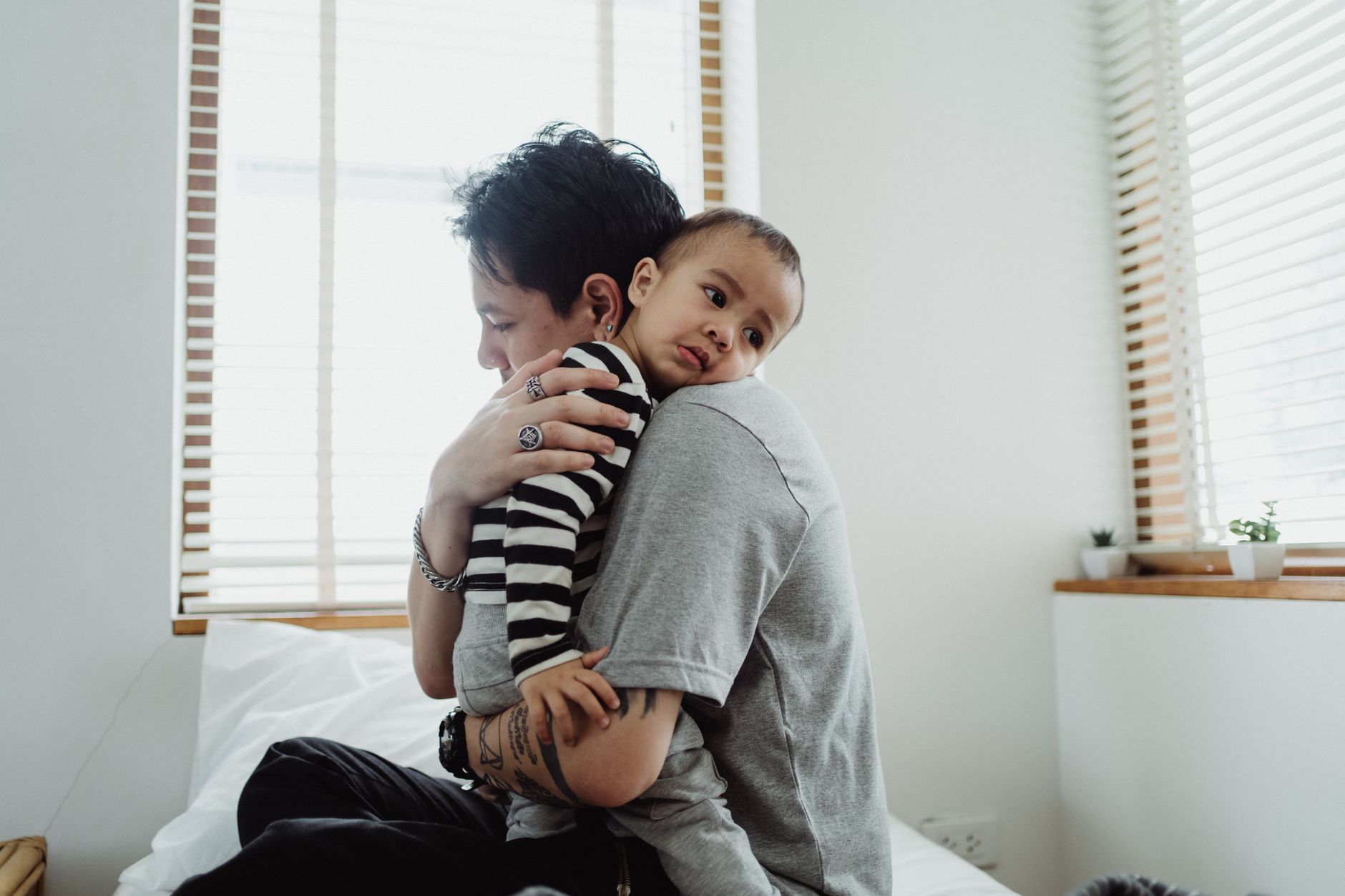
Yup, kids copy the fears of trusted sources.
I once knew someone with a phobia of rabbits. And science says that her kids probably will have it too.
In fact, studies show that children as young as 12 months old will react fearfully towards a stranger if they observe their mother acting fearfully towards the same stranger.
So, use your fear wisely. Teach your kids to be wary of cars and tricky people (in a wise way) but maybe skip the bunnies, if you can.
Limb Use (Weird but true!)
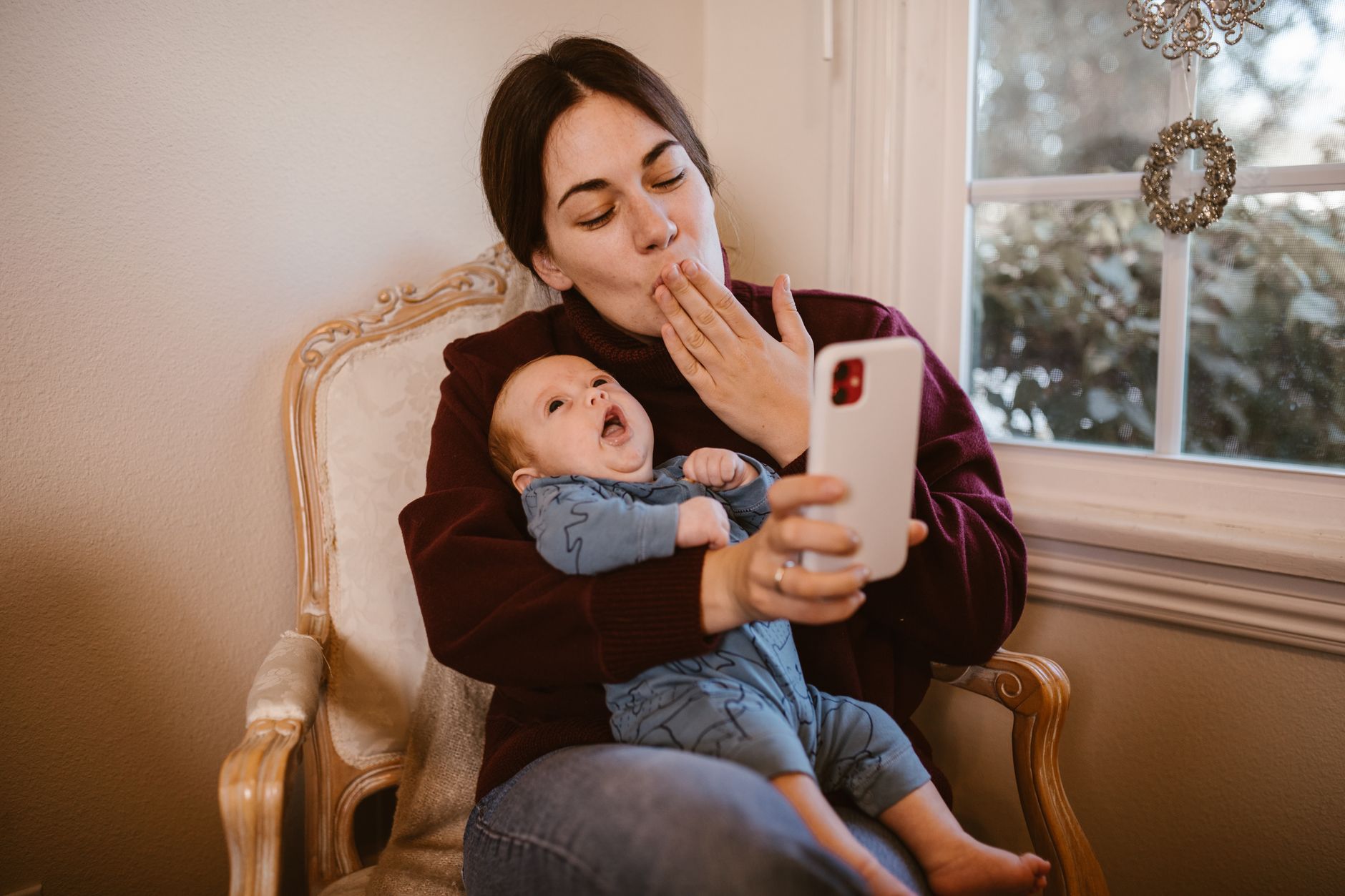
From a very young age, little children observe the ways that we move our arms and legs.
In fact, this study from back in 2013 showed how observing the use of a hand vs. a foot for the same activity activated different regions in 14-month old’s brains.
This suggests that young children observe the ways adults use their appendages and that those observations possibly shape their perception of how to use their own limbs.
And, of course, as they get older this copying extends to include gestures and mannerisms—we know that just from observing kids generally!
Aggression
Way back in 1960, when concerns about TV violence were raging in America, a psychologist called Albert Bandura performed an important experiment.
He had children watch adults act aggressively towards a doll and then observed children to see if they imitated the behavior.
Spoiler alert: They did. And intriguingly, they continued to even when the adults were not present anymore.
And while there are some controversies surrounding this experiment, new research continues to back up that witnessing aggression contributes to aggressive behavior in children and teens (and especially in boys).
Attitudes About Alcohol

I personally don’t drink, but for those who do, this point is both alarming and reassuring.
Kids and teens imitate parent’s attitudes towards alcohol and the children of parents who are more relaxed about drinking are more likely to sip alcohol at a young age (go figure).
However, as long as healthy drinking habits are modelled, the sipping of alcohol at a young age is not associated with later drinking issues.
It’s when unhealthy modelling is present that teens are at greater risk of having a drinking problem down the road.
So basically, smart about alcohol and your kids will be too.
Body Discussion
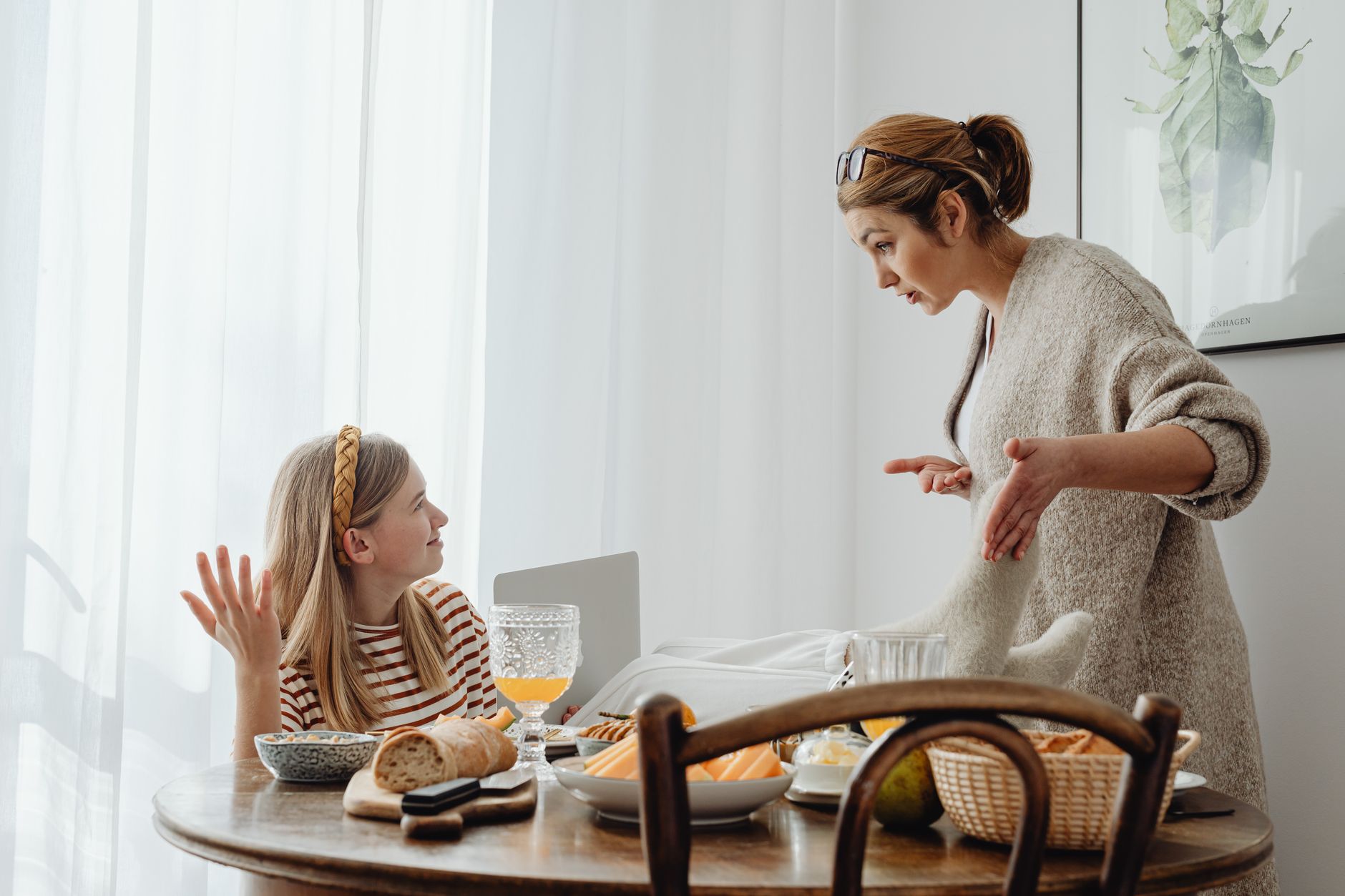
I covered this in a different article about the things little kids always notice, but children (and I would hypothesize teens as well, though I don’t have a study to back that up) copy the way we talk about our bodies.
In fact, in this study from PubMed, kids as young as 7 exhibited body dissatisfaction in response to negative maternal body talk. Boys and girls alike were influenced, and the older kids got, the worse it was (though, the study only went to 10 years old).
Financial Management

Research from Brigham Young University shows that children imitate the way their parents talk about and handle money.
Healthy parental habits surrounding finances—and healthy conversations to go with them—will teach your children to manage their own funds effectively later in life.
Conflict Resolution
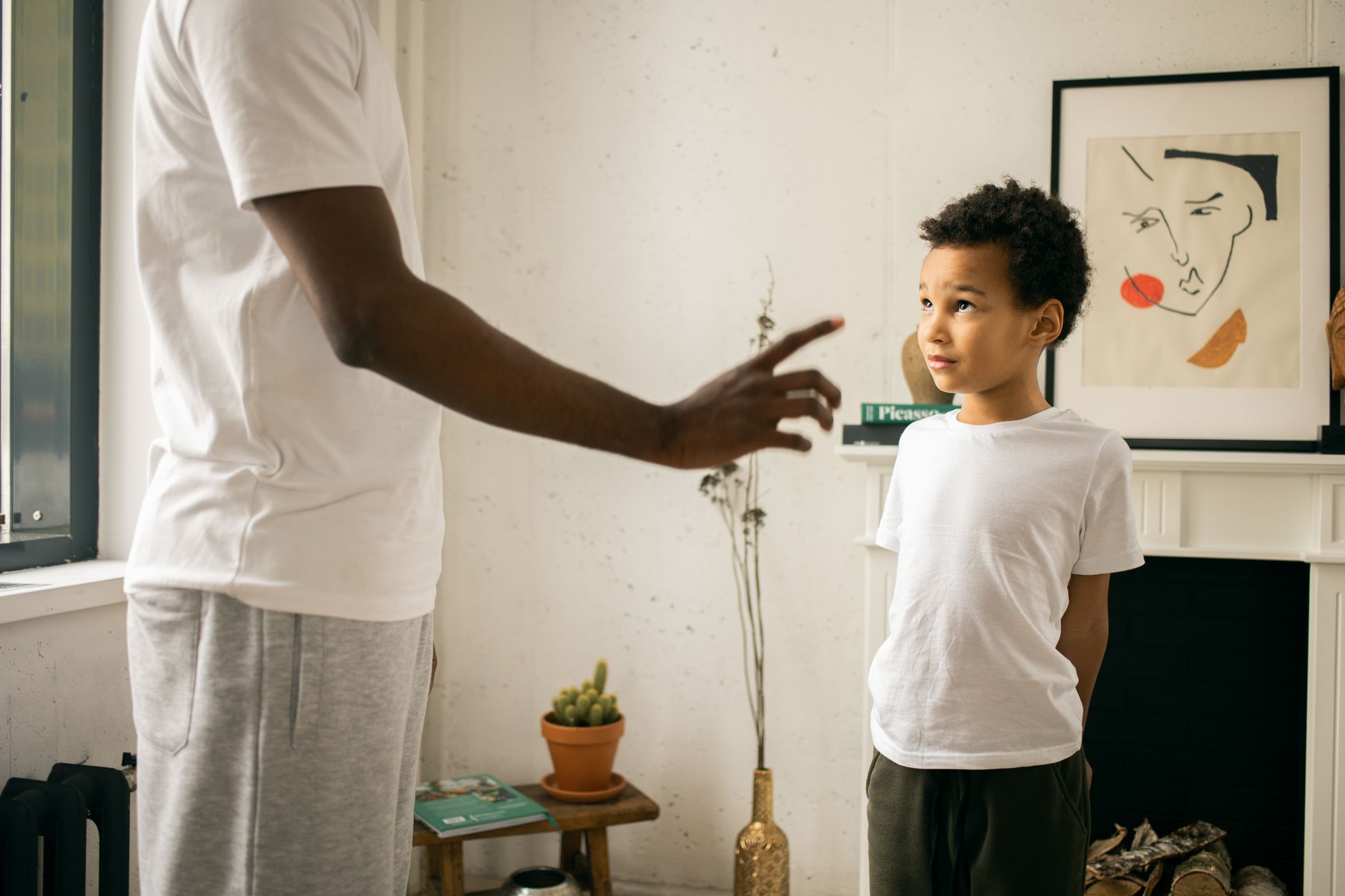
One study from the NIH website showed how toddlers learn from their parent’s interactions to either have empathy and compromise skills, or to be more hostile and undermining of others.
That’s right: the way parents act towards each other in marriage determines, in part, children’s conflict resolution skills.
So, if you want your kids to be good at resolving conflict, you and your spouse need model those skills so that they can copy them.
Cleaning (If you let them)
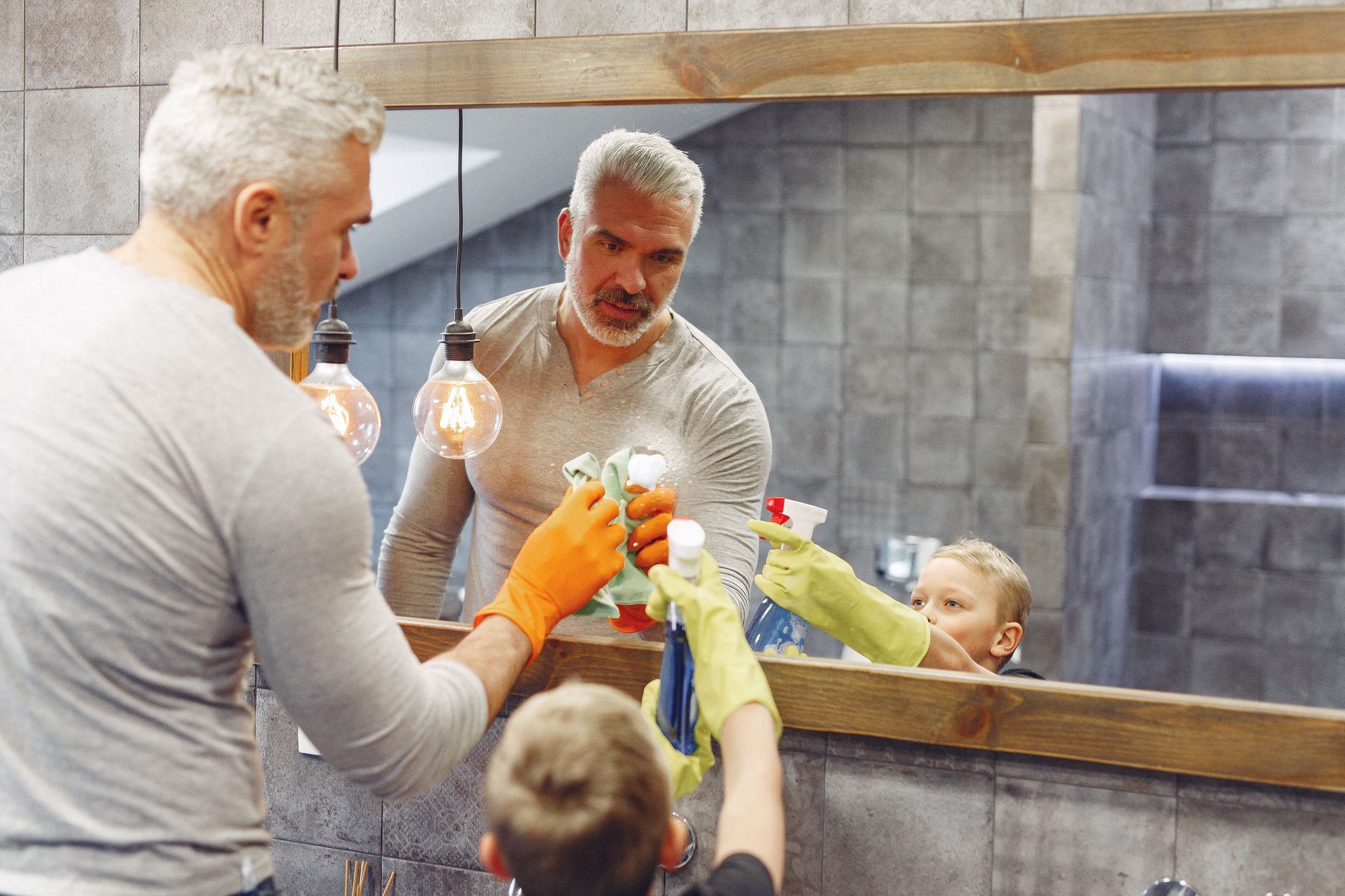
This is one of my favorite points on this list, because it’s seriously misunderstood in western culture.
When I was still pregnant with my first, I asked several people about parenting advice for a school assignment. One acquaintance responded with an article she’d read about how parents in Mexico include their children in cleaning from toddlerhood.
Why? Because toddlers love to imitate and help, and when their parents showed them how to clean at this age, they took greater pride in and were significantly more helpful around the house as they grew older.
So, let your toddler be there to copy your cleaning! It takes greater patience (especially when doing the dishes, lol), but it is so worth it!
Your little ones will learn through imitating you to perform skills that will help them daily for the rest of their life!
Emotional Management

From a young age, newborns engage in something called social referencing.
Basically, babies and children will look at our faces in various situations to determine their own emotions. This referencing creates patterns in our kids, teaching them to either regulate—or not regulate—their emotions.
So, if you want healthy happy children, you have to work on being healthy and happy yourself, because kids can’t copy what you don’t have.
Swearing
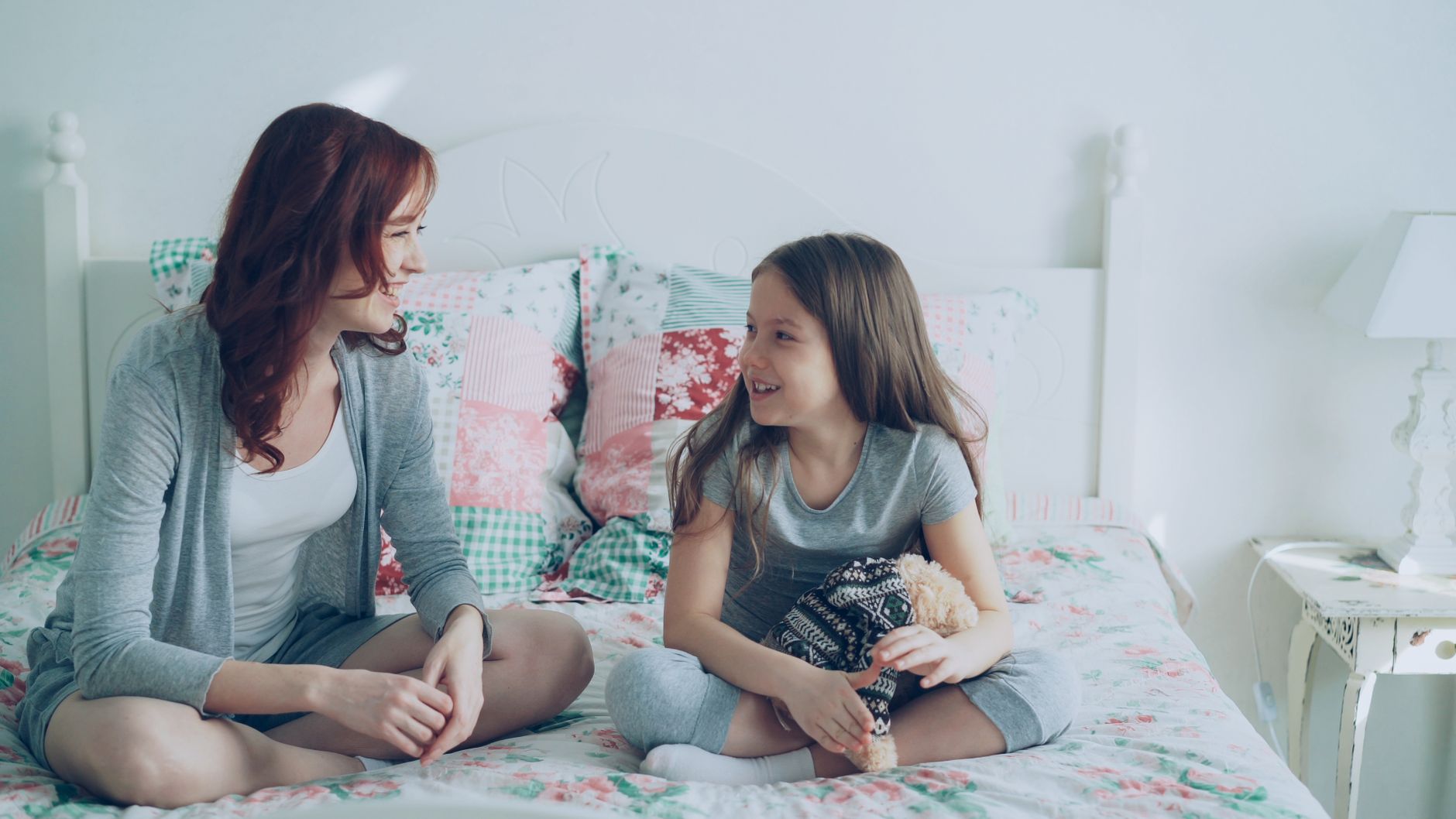
One of the first stories I remember my brother- and sister-in-law telling me was about how their oldest daughter walked up to something that was broken and swore in a perfect imitation of her parents.
And it’s a good demonstration of how swearing is learned: primarily from parents, and (surprisingly) especially from moms (according to this study done in 2016).
So, watch your language around your kids (and grandkids), because you never know when one of your select words could be bounced back at you.
Eating Habits
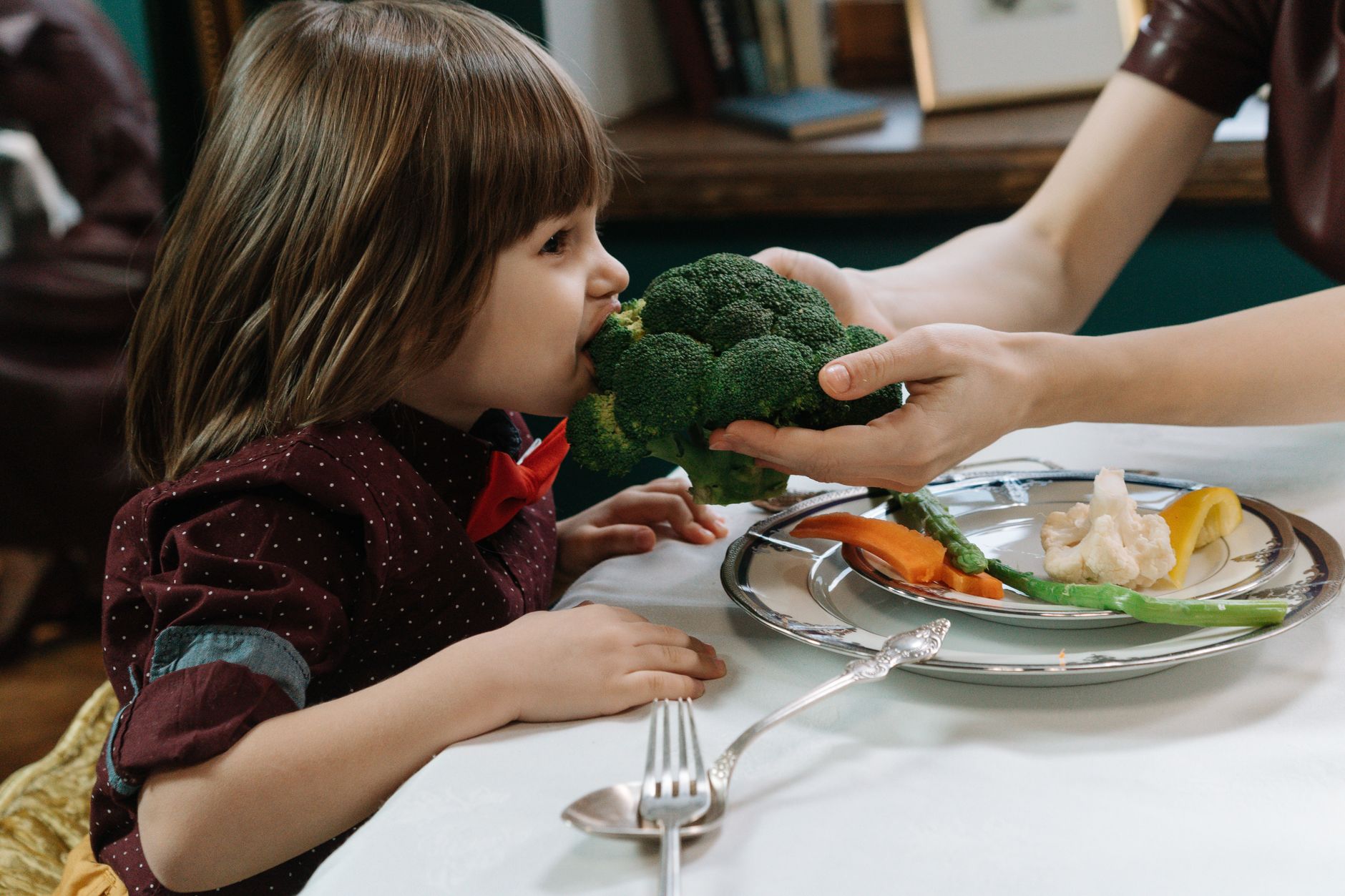
I’m sure it sounds obvious to you when I say that family eating habits are passed on generationally.
I mean, of course children get used to certain foods if their parents eat them all the time!
But there’s another piece to the puzzle that’s more sobering.
The same study I previously mentioned that discussed kids imitating body dissatisfaction from their mothers also showed that children exhibit restrained eating behaviors in response to their mom’s negative words (and likely actions) about her weight.
And, a different study showed that boys will imitate emotional eating from their moms, though interestingly the same was not true of girls.
So, eating habits aren’t just about liking spaghetti: they’re about whether or not we’re potentially steering our kids into disorders that could impact them for the rest of their life.
So eat wisely.
Lying
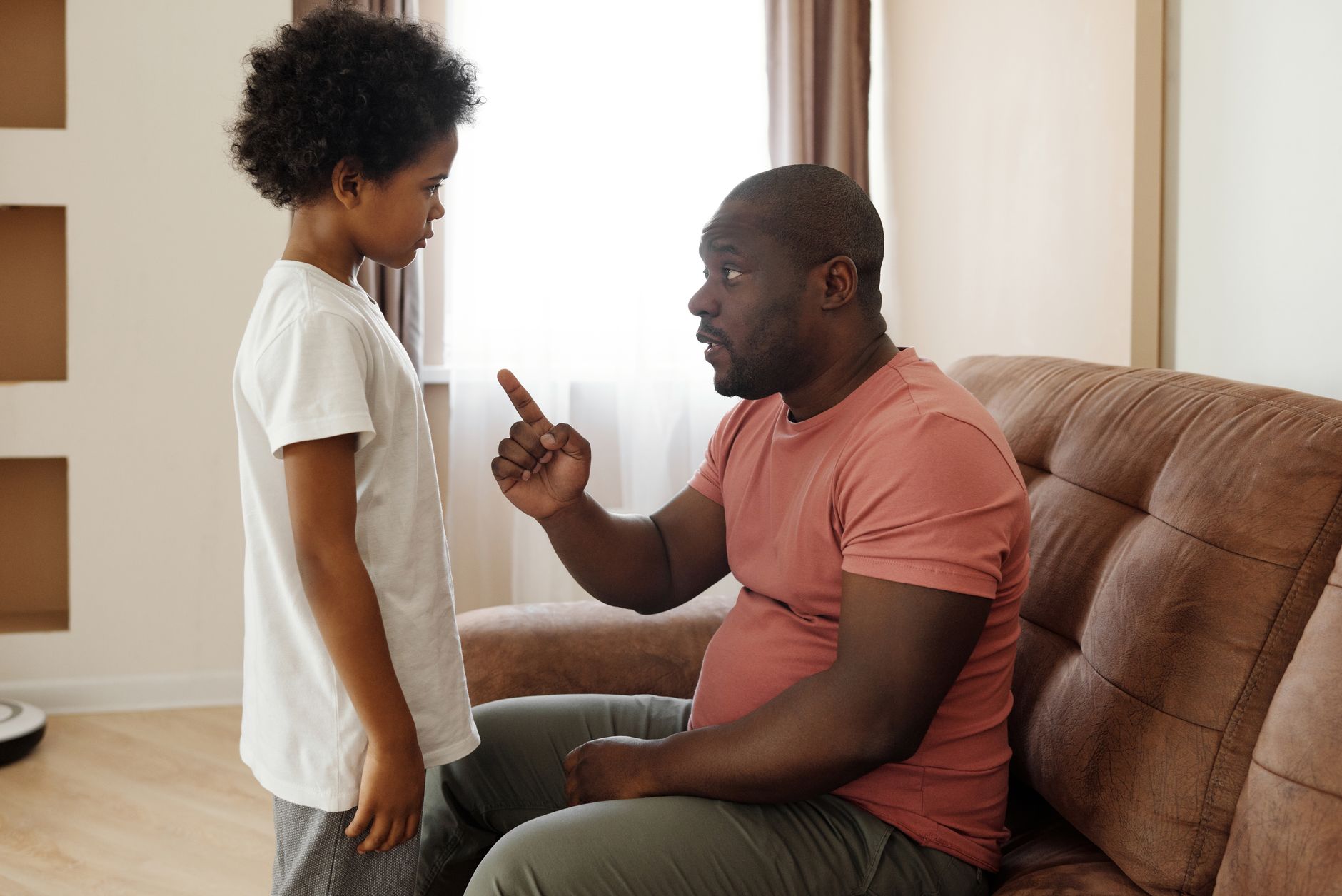
According to The Kid Counselor, lying is a learned skill—kids typically copy it when they observe it in trusted sources (a.k.a. friends, guardians, their parents, or even their grandparents!).
So, be honest with your kids and teenagers. That way they learn to be honest with you!
Work Ethic
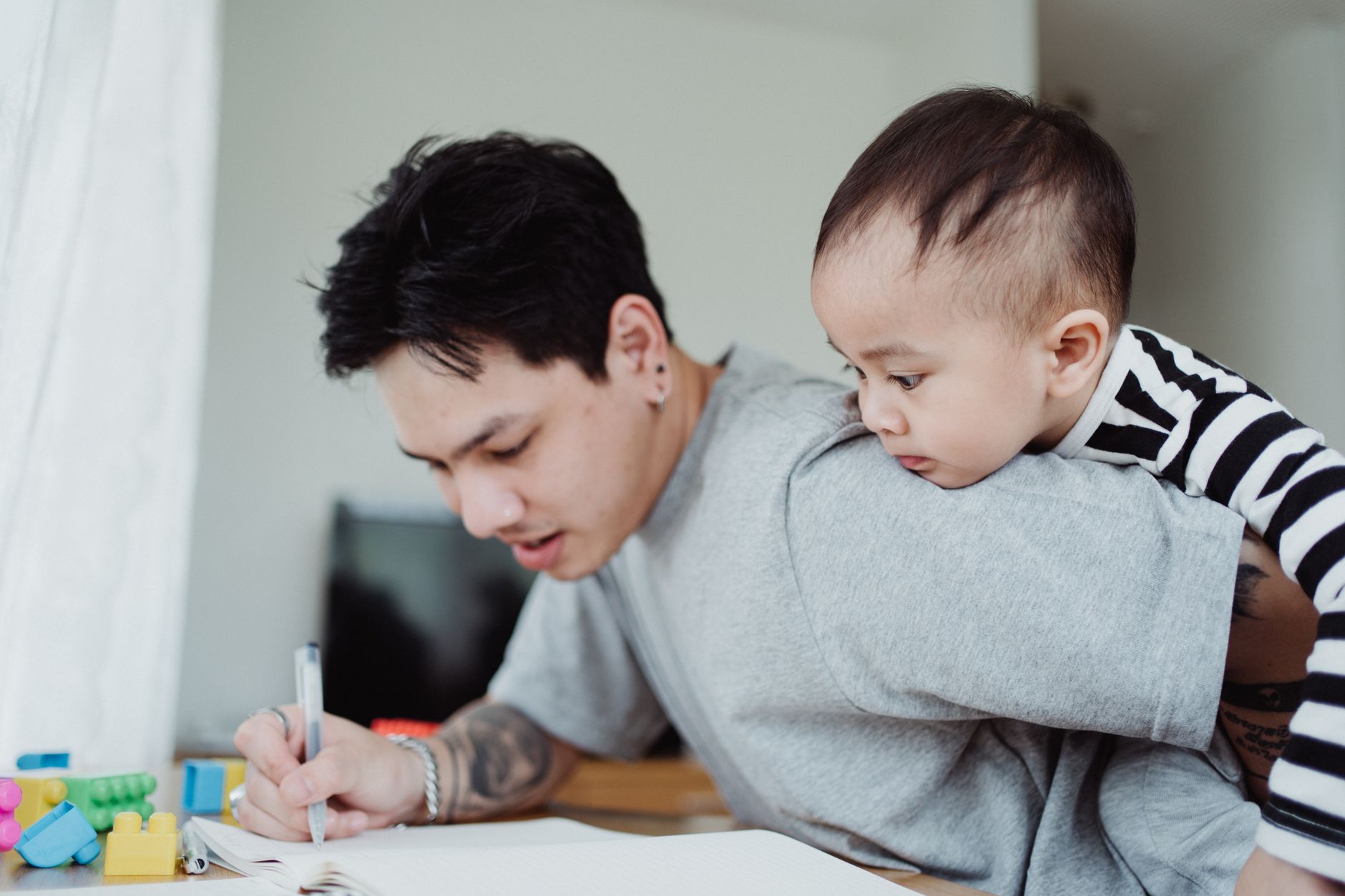
Back in 2011, over five hundred high-schoolers from Switzerland were surveyed about their plans for work involvement.
The results indicated that the work-ethic of parents influenced their children’s future work plans.
However, what the teens wished their parent’s work schedule had been like had an even greater impact on their plans for work.
So, know that your work ethic will affect your children’s work ethic. But they’re own desires will also likely prevail.
Responsiveness to Others
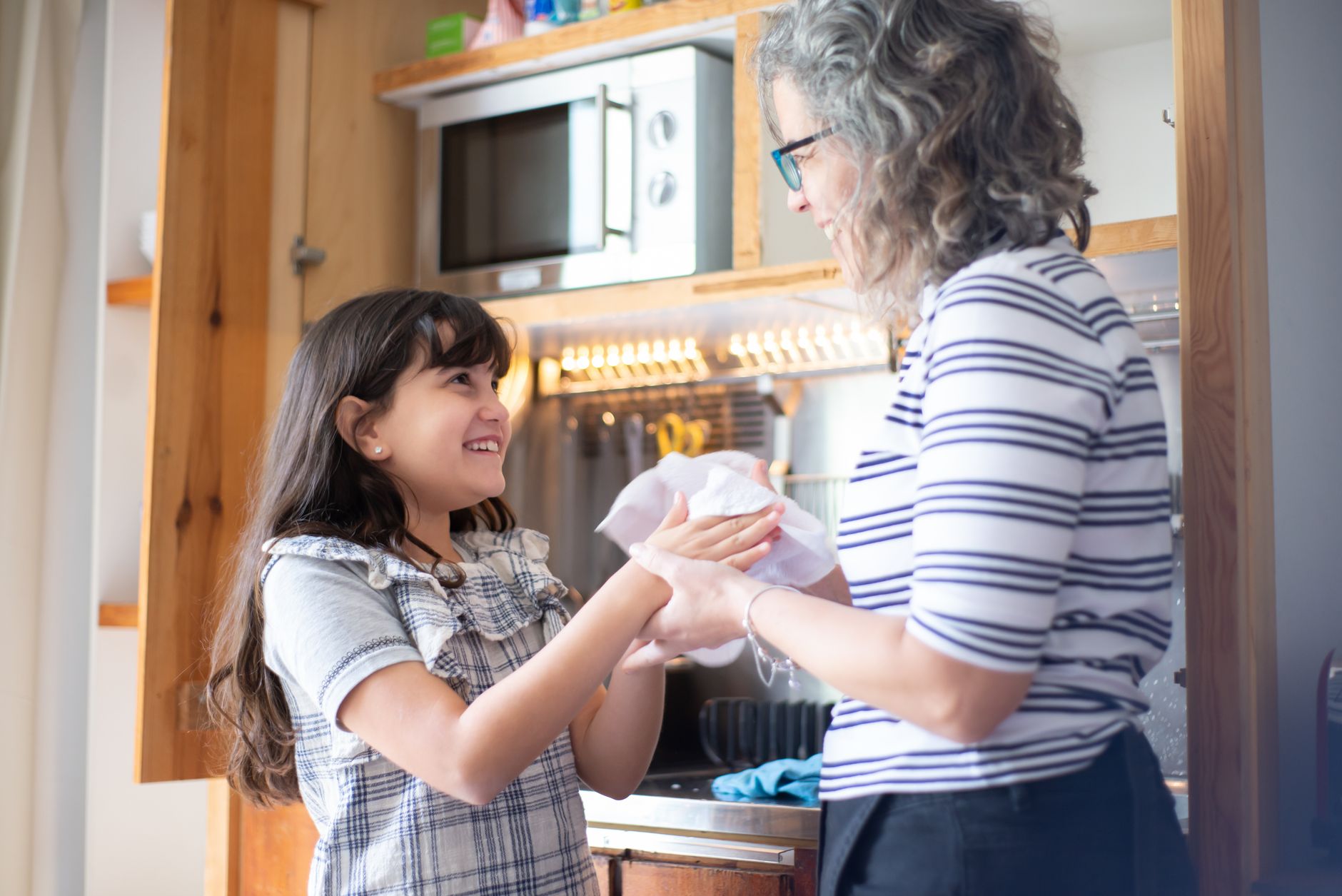
Years ago, Julia Kim-Cohen from The University of Illinois Chicago wrote about how parental disconnection and lack of responsiveness is generational.
In fact, she observed that the way moms responded to their 2-year-olds bore marked similarities to the way that those same children parented their 2-year-olds more than 20 years later.
So, you know the way that you connect or disconnect from your kids and grandkids? That’s likely how they’ll connect with their children.
Marriage Roles
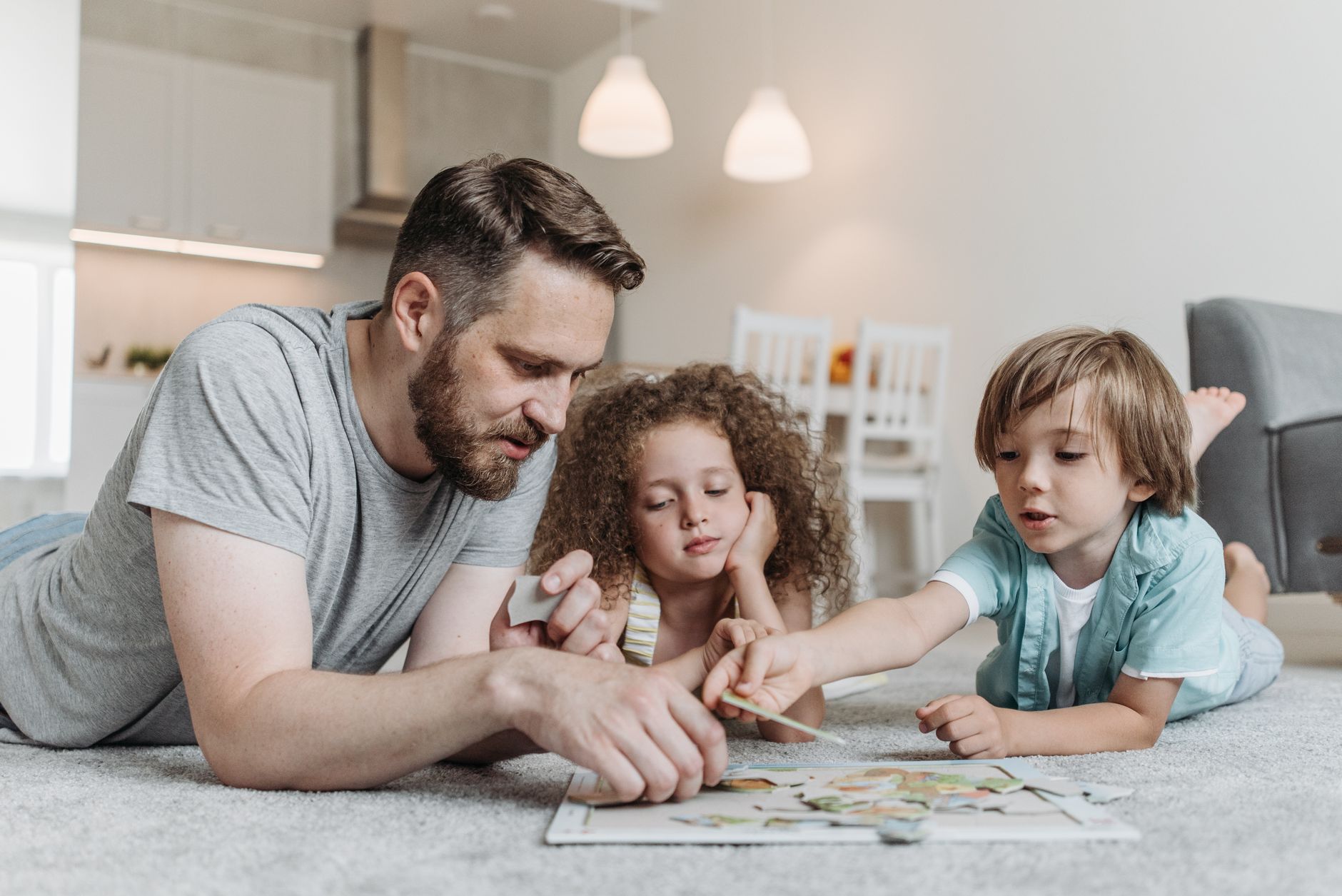
There’s an on-going debate out there about how much of gender stereotypes are environmental and how much are in-born, and I personally don’t know what the answer is.
(I think this book has a lot of interesting studies about it, though I disagree with some points of view).
But, you can bet that whatever roles mom and dad have in the home, kids will be sure to model them in their future, though their own perceptions of gender and marriage roles will also shape their relationships more as they age.
Tech Use

I remember my sweet one-year-old falling apart one day when he found my phone case with no phone in it (I’d taken my phone out temporarily for some reason.)
It was devastating for him. It was sad, but funny, for me.
However, it also gave me pause. I realized my son cared so much about my phone because he noticed how much I used it. It was important to him because it was important to his mom.
And, plenty of research backs that parental use of tech impacts the importance of tech in the lives of their children. Kids copy our behavior in their use of screens.
And if you have an unhealthy relationship with your phone, your kids and teens will likely have one too.
So, maybe this is your sign to re-evaluate your relationship with your phone.
Reading Habits
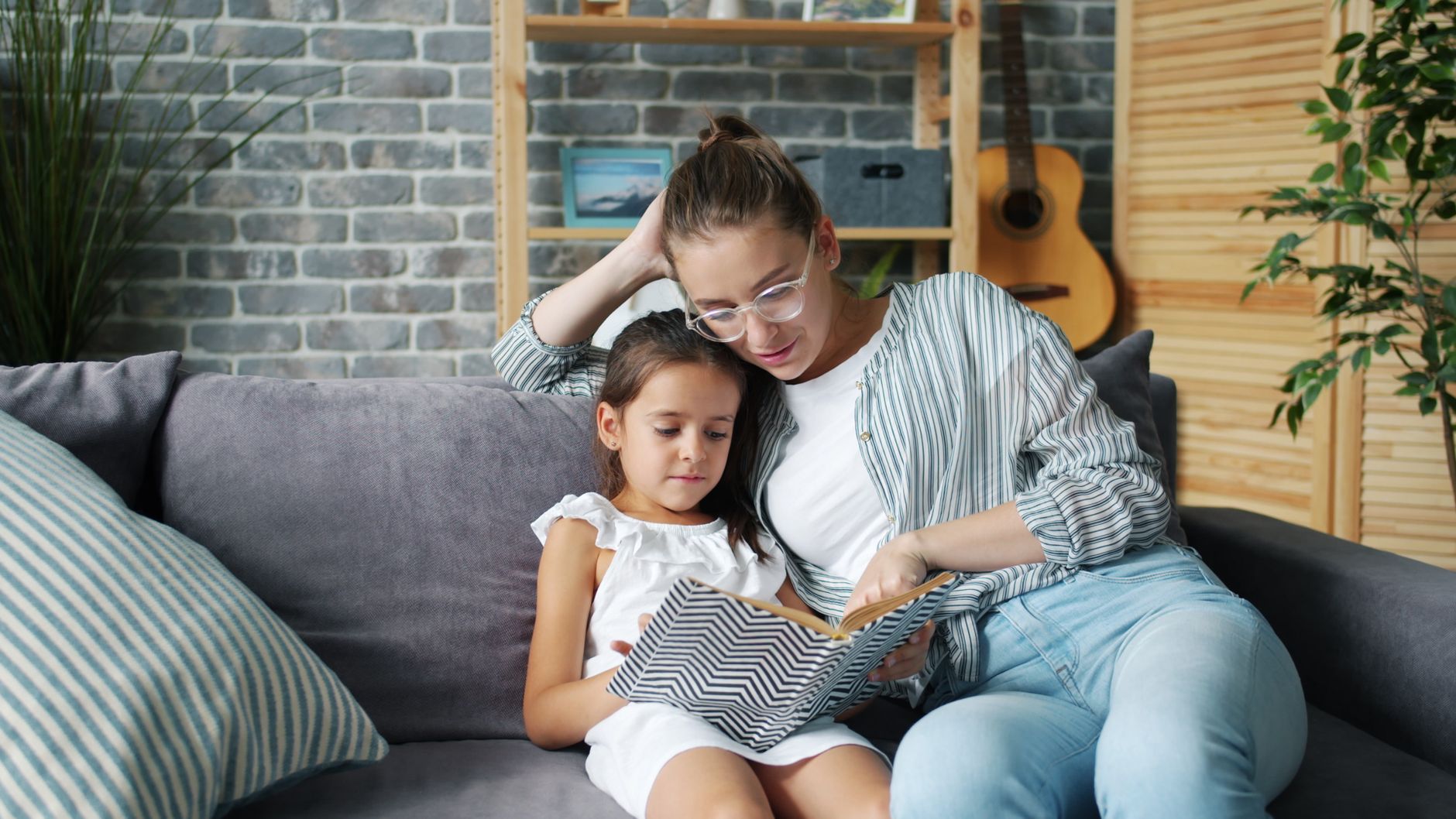
Before writing this article, I hadn’t even considered the way my reading habits affect my children (silly of me, I know).
But the truth of the matter is that parents’ desire to read is a huge predictor of children’s reading motivation.
(It has a greater influence than their peers reading habits!)
So, if you think you don’t have time for reading as a parent, guardian, or grandparent, I suggest you rethink that mindset, because you not having time will teach the kids in your life not to take the time!
Our Pointless Actions
This is called overimitation, and it’s a (fascinatingly) human trait.
As far as we know, no other creatures on earth do this.
But the long and the short of it is that children will copy adult’s actions even when those actions are unnecessary for a specific task.
Researchers suggest that this is how culture is passed on; our brains are wired to remember “the way things are done, not what gets done.”
Exercise Habits
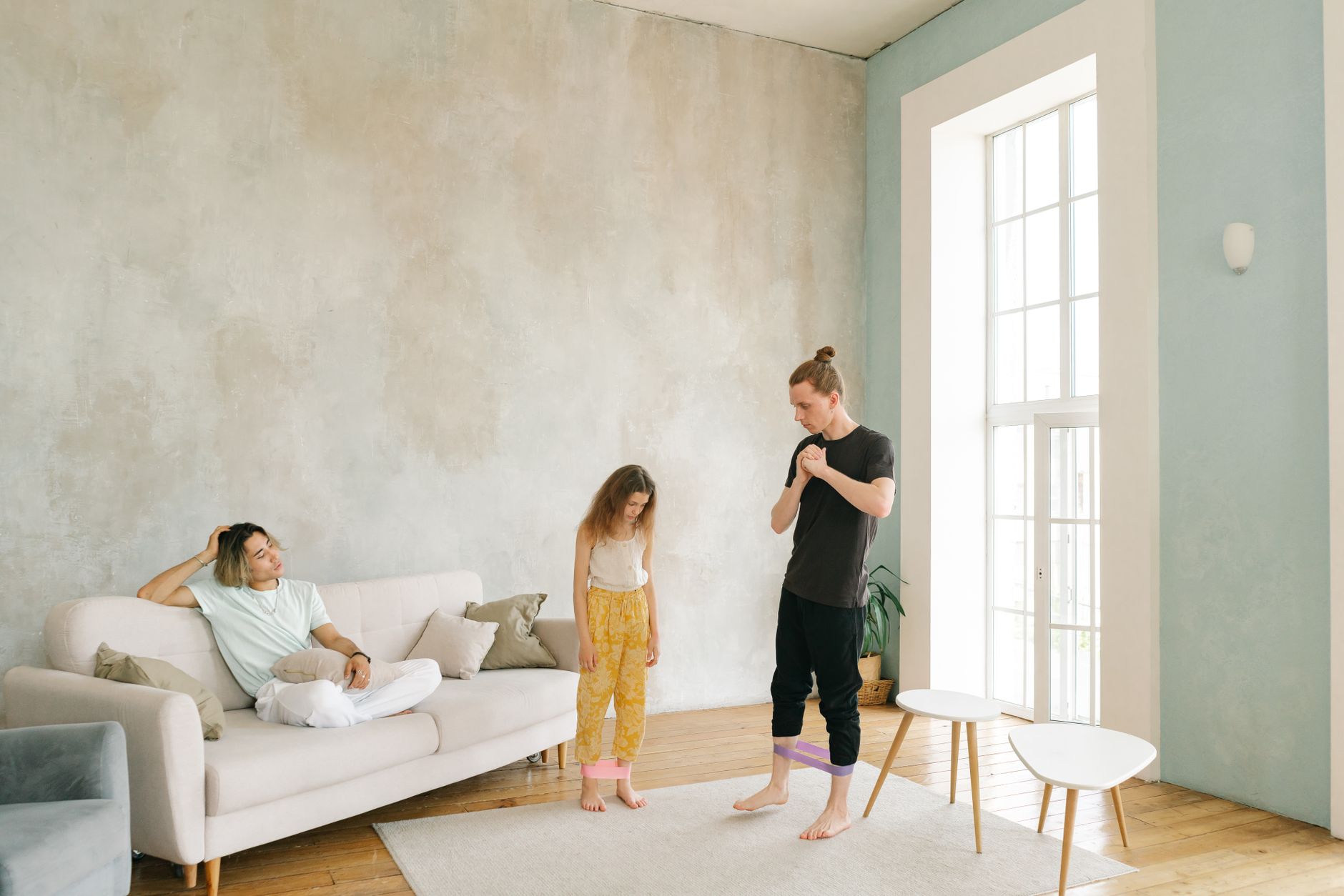
This one is pretty much a no-brainer. After all, if parents are active, kids will participate—and if they’re not, the kids won’t have as much reason to be either.
But, if you want research to back it up, this long-term Swiss study shows how parental exercise is an excellent predictor of how active children are.
Political Views
Way back in the ’60s and again in the ’90s, researchers found that the long-term political views of children were shaped by the party orientation that their parents held.
The caveat here is that transmission of political values was more likely to occur if the views were especially strong or often expressed.
So if you’re politically “meh,” this point probably doesn’t apply to you.
Sharing
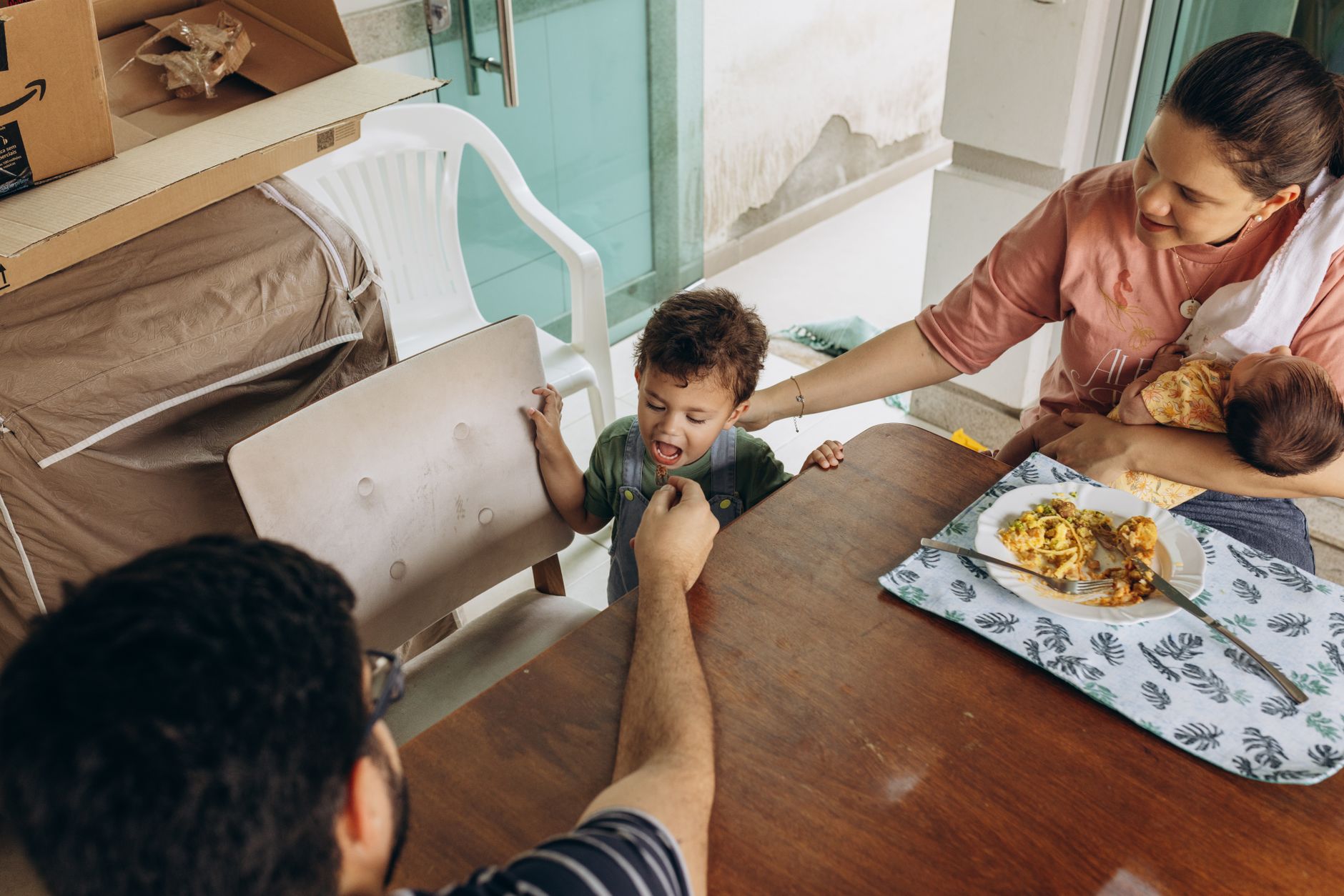
Way back in the ’70s at the University of London, a guy name J. Philippe Rushton demonstrated that modelling is an effective way to teach sharing (more effective than lecturing!).
He also showed that children who learned from modelling were more likely to continue sharing.
So those sour patch kids your children know you’re keeping to yourself? You need to share them!
(Not going to lie I totally keep private stashes of special treats for myself. But if my kids know I have something . . . I usually make sure they get some too).
~
And that concludes our list of things kids copy. Whew!
I don’t know about you, but that list makes me feel exhausted (even though it’s fascinating). So here’s your reminder that even though all of this is important . . . it’s also okay to be human and make mistakes.
And if you feel overwhelmed, go take a look at some of my favorite encouraging quotes for moms (and grandmas).